How to Choose the Right Toilet for Your Bathroom
Choosing a toilet may seem straightforward—until you start comparing different types, sizes and installation styles. A toilet should fit the bathroom not only visually, but also in terms of available space, cleaning, installation and everyday use.
The right choice depends on a few practical questions:
- How large is your bathroom?
- Do you prefer a wall-hung or floor-standing design?
- How important is easy cleaning?
- What type of flushing performance are you looking for?
- Will the toilet use a concealed cistern?
- Do the toilet’s dimensions suit your space?
This guide will help you narrow down the options without making the decision unnecessarily complicated.
1. Start with Your Bathroom Size
Before choosing a toilet design, look at the actual space available.
A toilet that looks perfect in a large showroom may feel oversized in a compact bathroom. On the other hand, a very small toilet can look out of proportion in a spacious master bathroom.
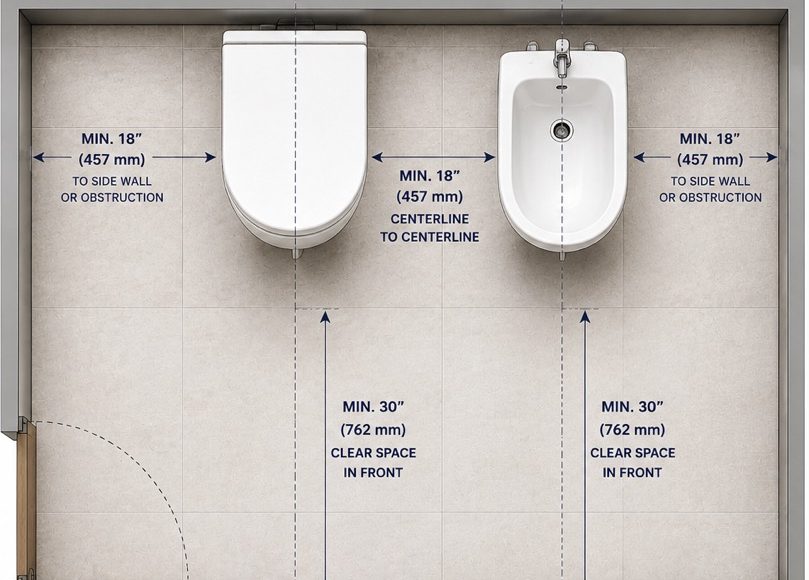
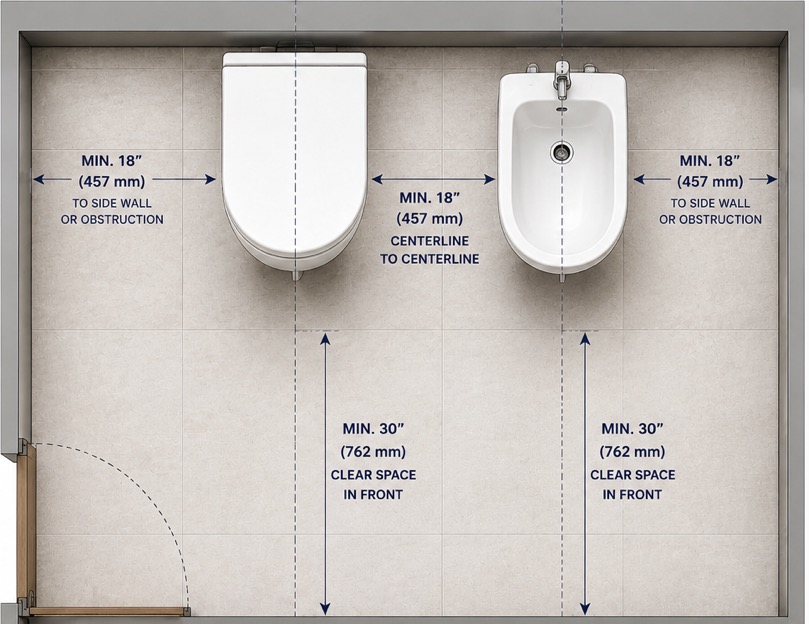
When planning the layout, consider:
- The width of the bathroom
- Available space in front of the toilet
- Distance from walls and other fixtures
- Door movement
- Shower, vanity or bidet placement
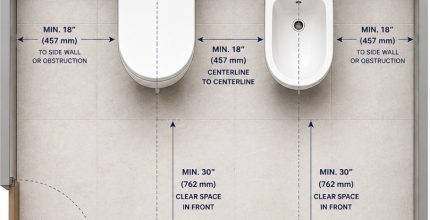
Professional bathroom-planning guidance also treats clearance around fixtures as an important part of a functional layout. The NKBA’s planning guidance is useful as a design reference, but local building regulations and installation requirements should always take priority where applicable.
Tip: Always check the technical dimensions of the toilet before making your final decision—not just the product photograph.
2. Wall-Hung or Back-to-Wall?
This is usually one of the first decisions to make.
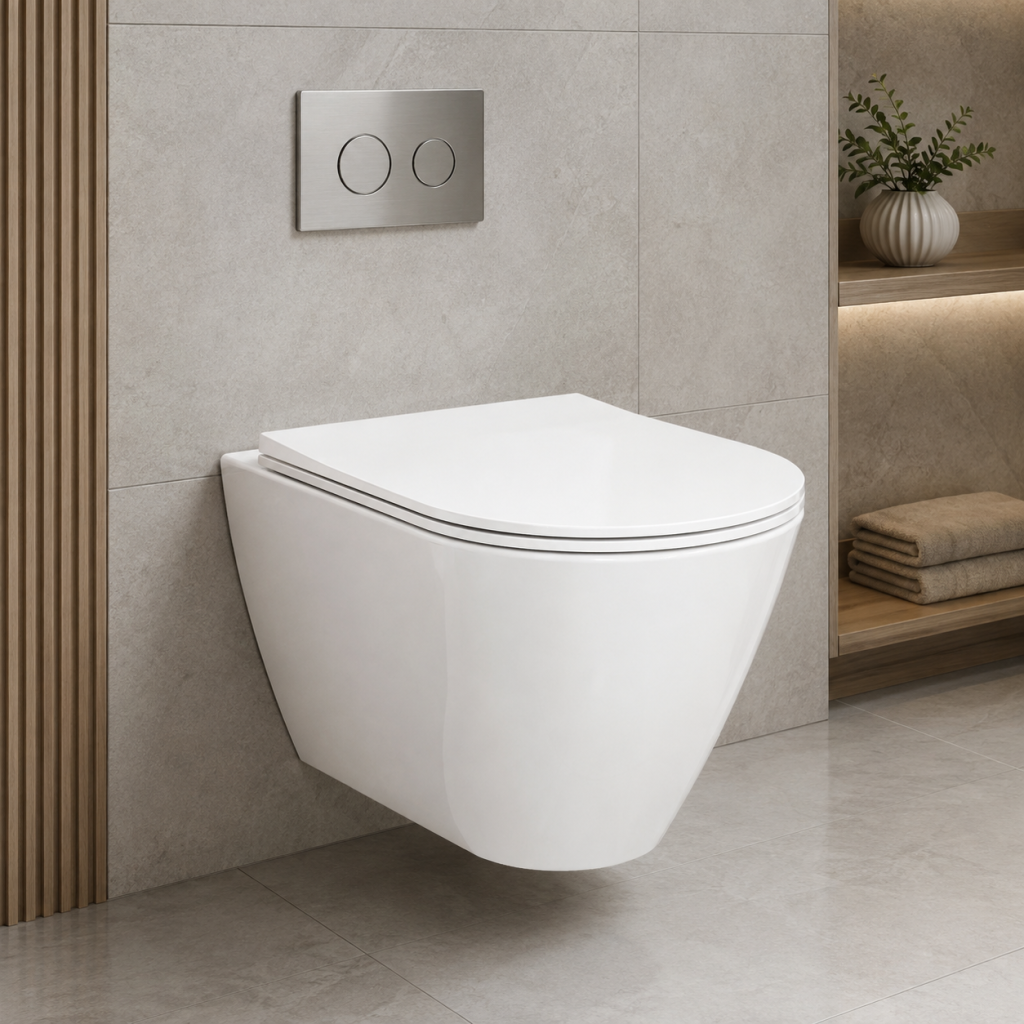
Choose a Wall-Hung Toilet If…
A wall-hung toilet may be a good choice if you want:
- A cleaner, more contemporary appearance
- Visible floor space underneath the toilet
- Easier floor cleaning
- A visually lighter bathroom design
- Flexibility in creating a coordinated wall-hung bathroom
Because the toilet is mounted off the floor, the area underneath remains accessible for cleaning. This can also create a more open visual effect, particularly in smaller or contemporary bathrooms.
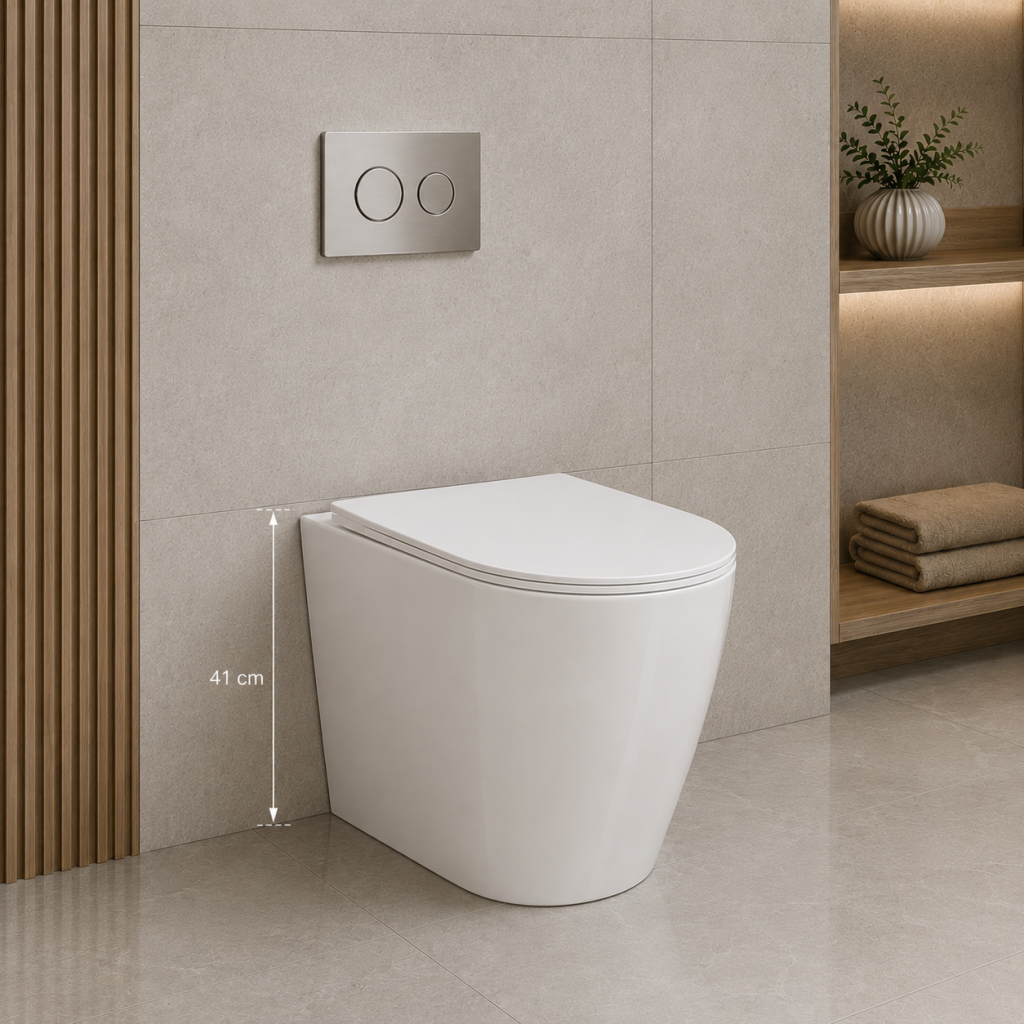
Choose a Back-to-Wall Toilet If…
A back-to-wall toilet may suit you if you prefer:
- A floor-standing design
- A more grounded visual appearance
- A concealed cistern with a cleaner overall look
- A design that works well in both contemporary and classic bathrooms
With both wall-hung and many back-to-wall installations, the cistern can be concealed behind or inside the wall structure. The best option depends on the room, installation conditions and your preferred design.
There is no universal winner. The right choice is the one that works best for your bathroom and installation
3. Consider a Rimless Toilet
Cleaning is one of the most important factors when choosing a toilet.
Traditional toilet designs can include areas that are harder to reach during cleaning. A rimless design removes the conventional rim structure, making the bowl easier to inspect and clean.
A rimless toilet can therefore be a practical choice if you prioritise:
- Easier cleaning
- A more accessible bowl design
- Good hygiene
- A modern appearance
However, as with any toilet, the overall performance also depends on the design of the bowl and the flushing system.
4. Does Flushing Technology Matter?
Yes—but not every bathroom needs to be approached as a search for the most powerful flush.
A good flushing system should provide effective bowl cleaning while working efficiently and comfortably in everyday use.
Some toilets use specially designed water flow systems. For example, a Vortex flushing system uses a fast, swirling water movement to help distribute water around the bowl.
When choosing a toilet, consider:
- How effectively the bowl is cleaned
- How evenly water moves around the bowl
- Noise during flushing
- Performance with the compatible dual-flush cistern
- Ease of keeping the bowl clean
Some Saniterra toilet models are designed with Vortex flushing, available in selected wall-hung and back-to-wall models. The important point is not the name of the technology itself, but whether the complete toilet and cistern combination is suitable for your needs.
5. Think About the Concealed Cistern Too
If you are choosing a wall-hung toilet—or a back-to-wall toilet with a concealed installation—the cistern is an important part of the system.
It is easy to focus only on the visible ceramic toilet, but the cistern affects everyday operation as well.
When choosing a concealed cistern, consider:
- Compatibility with the toilet
- Installation requirements
- Access for servicing
- Water efficiency
- Noise during operation
- The quality of the internal components
A well-designed cistern should work efficiently with the toilet rather than simply being treated as a separate product.
Some Saniterra installations can use the Smart Silent Concealed Cistern, designed so that the inlet valve remains closed while water is still leaving the cistern. The cistern begins refilling only after the outlet process is complete. According to Saniterra’s product information, this design can reduce unnecessary water consumption and contribute to quieter operation.
6. Think About Cleaning and Hygiene
A toilet is used every day, so easy cleaning should be part of the buying decision.
Ask yourself:
- Can I easily clean around the toilet?
- Are difficult-to-reach areas minimised?
- Does the bowl design make routine cleaning easier?
- Is there easy access to the floor?
This is one reason wall-hung toilets and rimless bowls have become popular choices in modern bathrooms. Their designs can simplify different parts of the cleaning process.
For example:
- Wall-hung toilets make it easier to clean the floor underneath.
- Rimless bowls can make the interior bowl easier to access during cleaning.
7. Check the Installation Requirements
A beautiful toilet is only the right choice if it can be installed correctly in your bathroom.
Before purchasing, check:
- Wall structure
- Waste outlet position
- Water connections
- Cistern compatibility
- Installation depth
- Required support frame for wall-hung models
- Access for future maintenance
A wall-hung toilet, for example, requires an appropriate installation system designed to support it correctly.
For renovations, it is particularly important to understand the existing plumbing before choosing a model. Changing drainage positions or modifying the wall structure can affect the complexity and cost of the project.
8. Choose the Right Size and Proportions
The toilet should feel proportionate to the room.
In a compact bathroom, a carefully selected design can help avoid making the room feel crowded. In a large bathroom, a very small fixture may look visually disconnected from the rest of the space.
Consider:
- Toilet projection from the wall
- Width
- Height
- Space around the toilet
- Relationship with the vanity, shower and bidet
If you are planning a toilet and bidet set, it is especially important to consider the layout of both fixtures together rather than choosing them independently.
9. Match the Toilet to Your Bathroom Style
Function comes first, but design still matters.
Your toilet should work visually with the rest of the bathroom, including:
- Washbasin
- Bidet
- Bathroom taps
- Bathtub or shower area
- Tiles and wall finishes
A coordinated bathroom does not mean that every product must be identical. However, matching the overall shape, proportions and design language can create a more balanced result.
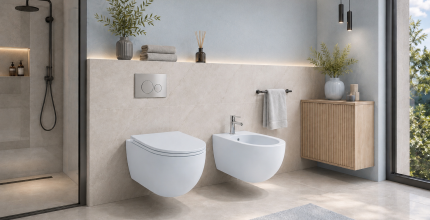
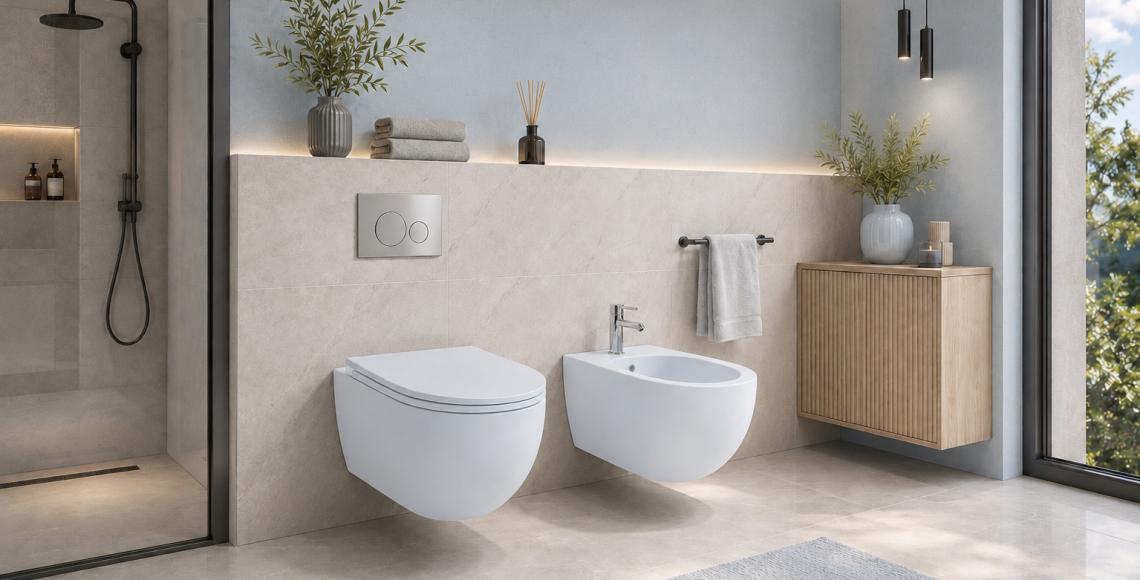
For example, a wall-hung toilet and wall-hung bidet can create a consistent floating appearance, while floor-standing fixtures may create a more traditional or grounded look.
Quick Guide: Which Toilet Should You Choose?
Choose a Wall-Hung Toilet If…
You want:
✓ Easier floor cleaning
✓ A contemporary appearance
✓ A visually open bathroom
✓ A toilet mounted off the floor
Choose a Back-to-Wall Toilet If…
You prefer:
✓ A floor-standing toilet
✓ A clean design with the cistern concealed
✓ A more grounded appearance
✓ A design that suits different bathroom styles
Consider a Rimless Toilet If…
You prioritise:
✓ Easy cleaning
✓ Accessible bowl surfaces
✓ Everyday hygiene
✓ A modern toilet design
Consider Vortex Flushing If…
You are interested in:
✓ Fast, swirling water movement
✓ Effective bowl rinsing
✓ A carefully designed flushing system
The right toilet is not simply the one with the most features or the most modern appearance.
Start with your bathroom’s available space. Then consider the installation type, ease of cleaning, bowl design, flushing system and the concealed cistern where relevant.
For many bathrooms, choosing between wall-hung and back-to-wall will be the first major decision. After that, details such as rimless design, flushing technology and cistern performance can help you choose a system that suits your everyday needs.
The best toilet is one that fits your bathroom, works reliably and remains practical to use and clean over time.