Category: Faucet

Shower Water Pressure and Flow Rate: What’s the Difference and Why Does It Matter?

A shower can look perfect and still deliver a disappointing experience. Sometimes the water feels weak, takes too long to rinse shampoo, or changes noticeably when another tap is turned on.

These problems are often described as low water pressure. However, water pressure and flow rate are not the same thing. Understanding the difference can help you identify what is affecting your shower and choose the right shower fittings for your plumbing system.

In this guide, we’ll explain how pressure and flow rate work, how to measure water flow at home, what can affect shower performance, and what to consider when choosing a shower head.

1. Water Pressure vs Flow Rate: What’s the Difference?

Although they are closely related, water pressure and flow rate describe two different things.

What is water pressure?

Water pressure is the force that pushes water through pipes and fittings. It helps move water from the supply system towards your shower.

It is commonly measured in:

  • Bar: A metric unit widely used in Europe.
  • PSI: Pounds per square inch, commonly used in some other markets.

In simple terms, pressure describes how strongly water is being pushed through the plumbing system.

What is flow rate?

Flow rate measures the volume of water passing through an outlet over a specific period of time.

It is usually measured in litres per minute (L/min).

For example, if a shower head delivers 8 litres of water in one minute, its flow rate is 8 L/min under those particular test conditions.

The difference is important: pressure describes the force driving the water, while flow rate describes how much water actually comes out.

A shower can have reasonable supply pressure but still deliver a low flow rate because of a restricted fitting, a blocked filter or a flow regulator.
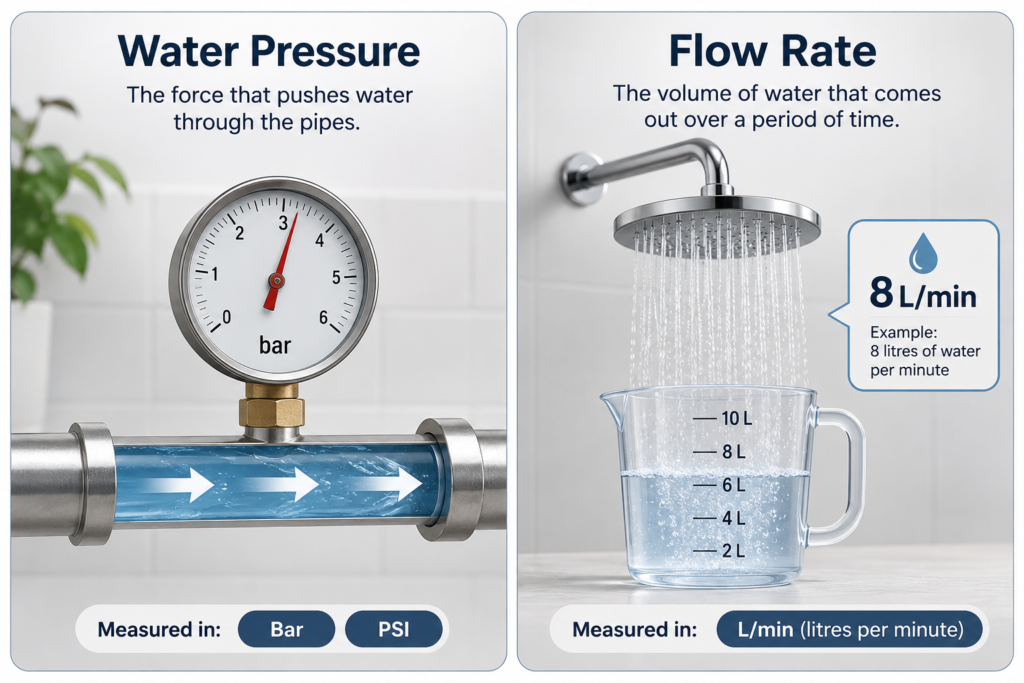
Difference between water pressure and flow rate in a shower system

2. How Is Water Pressure Measured?

Water pressure is commonly measured in bar or PSI.

A pressure gauge can be connected to a suitable test point in the plumbing system to measure pressure. However, there is an important distinction between two types of pressure measurement:

  • Static pressure: The pressure when water is not flowing.
  • Dynamic pressure: The pressure while water is flowing through the system.

Dynamic pressure is particularly relevant when assessing shower performance because the shower is operating while water is being used.

A system may show a reasonable static pressure but experience a significant pressure drop when the shower is running. This can happen when pipes, valves or other parts of the plumbing system restrict the available water supply.

For this reason, measuring pressure only when all taps are closed may not give a complete picture of how your shower performs.
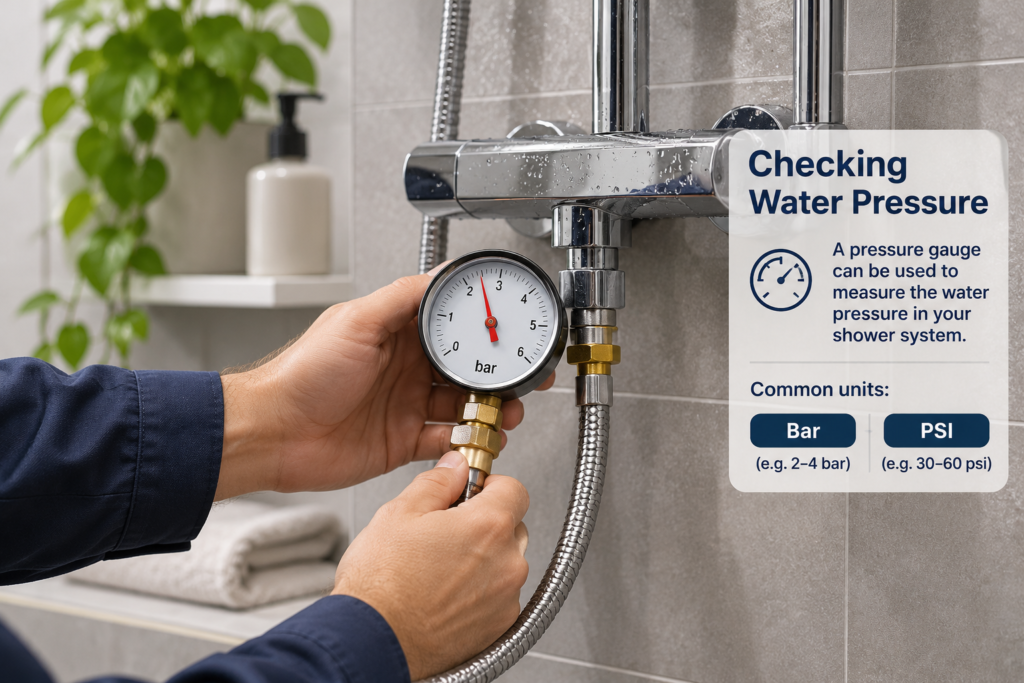
Plumber measuring water pressure in a shower system using a pressure gauge

3. What Is Flow Rate and How Can You Measure It at Home?

Flow rate is one of the most useful measurements when investigating shower performance.

You can estimate your shower’s flow rate with a simple test using a container with a known volume and a timer.

The simple bucket test

  1. Take a container with a clearly marked volume, such as a 10-litre bucket.
  2. Place it under the shower head.
  3. Turn on the shower using the normal setting you would use.
  4. Collect water for a measured period, such as 30 seconds.
  5. Measure how much water has collected.

To calculate the flow rate, use this formula:

Flow rate (L/min) = Water collected (litres) ÷ Time (seconds) × 60

For example, if you collect 4 litres in 30 seconds:

4 ÷ 30 × 60 = 8 L/min

This means the shower is delivering approximately 8 litres per minute under the conditions of your test.

Remember that this test measures the actual water output at the shower head. It does not measure water pressure.

For a more accurate assessment, especially when comparing hot and cold water performance or investigating a suspected plumbing fault, a qualified plumber can carry out additional measurements.
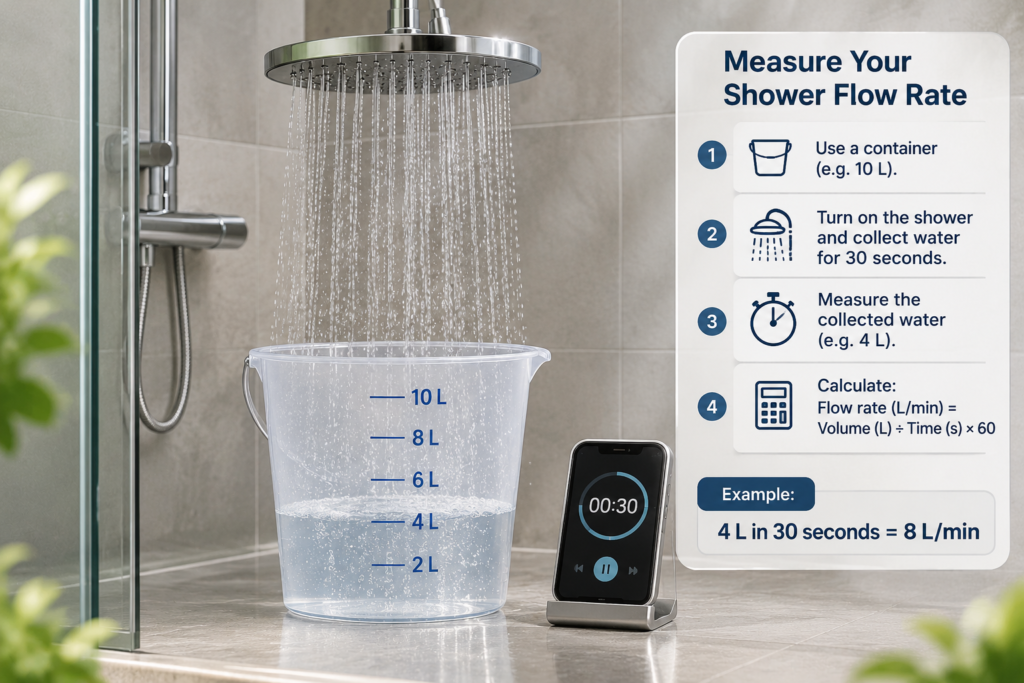
Measuring shower flow rate using a bucket and timer

4. What Causes Low Water Pressure or Poor Shower Flow?

If your shower does not perform as expected, several factors may be responsible. It is important to identify the cause before replacing the shower head or changing the plumbing system.

Limescale and blocked shower nozzles

Mineral deposits can accumulate around shower nozzles over time, particularly in areas with hard water. This can partially block the openings and affect the spray pattern and water distribution.

Cleaning the shower head according to the manufacturer’s instructions may improve its performance.

Blocked filters or flow restrictors

Some shower fittings contain filters or flow regulators. Debris, sediment or mineral deposits can affect these components and reduce water output.

Flow regulators are not necessarily a problem. They are often designed to control water consumption while maintaining the intended spray performance.

Restricted pipes or valves

Partially closed isolation valves, narrow or obstructed pipes, and other restrictions can affect the amount of water reaching the shower.

Problems with the water supply

The pressure available from the building’s supply system may vary. In some properties, pressure can also change when several water outlets are used simultaneously.

Incompatible shower fittings

A shower head or mixer may have specific minimum pressure or flow requirements. If the existing plumbing system cannot meet those requirements, the shower may not perform as intended.

Before changing equipment, check the manufacturer’s technical specifications and the conditions of the existing installation.

5. Does a Larger Shower Head Need More Water Pressure?

Not necessarily.

A common assumption is that a larger shower head always needs higher water pressure. In reality, performance depends on several factors, including the shower head’s internal design, nozzle arrangement, flow regulator and available water supply.

A large rain shower may distribute water across a wider surface. This does not automatically mean it needs a higher flow rate than every smaller shower head.

Some shower heads are specifically designed to deliver an effective spray at controlled flow rates. Others may require particular operating conditions to achieve their intended performance.

When choosing a shower head, consider:

  • The manufacturer’s minimum and recommended operating pressure.
  • The specified flow rate and the pressure at which it was measured.
  • The size and design of the spray surface.
  • Whether the product includes a flow regulator.
  • Whether your plumbing system can supply the required water.

A larger shower head should therefore be selected based on its technical specifications and the available water supply, rather than appearance alone.
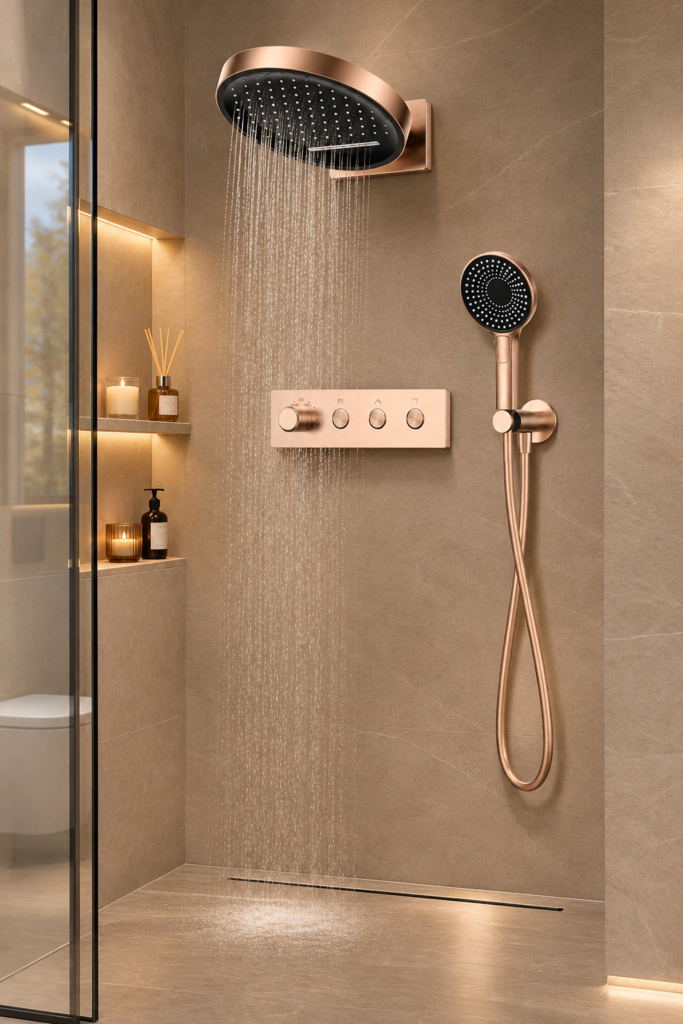
6. How Can You Improve Shower Performance?

If your shower feels weak, start with simple checks before considering expensive changes.

1. Clean the shower head

Check the nozzles for limescale or debris. Follow the manufacturer’s cleaning instructions to avoid damaging the finish or internal components.

2. Check the hose and connections

For a hand shower, inspect the flexible hose for kinks, damage or obstructions. Check that the connections are properly fitted.

3. Inspect accessible filters

Some shower fittings have small inlet filters that can collect debris. These should be checked and cleaned according to the product instructions.

4. Check the water supply

If several taps or showers experience reduced flow, the issue may be related to the building’s water supply or plumbing system rather than the shower head itself.

5. Ask a qualified plumber to assess the system

If the problem continues, a plumber can measure static and dynamic pressure, check the available flow rate and identify restrictions in the installation.

Installing a pump is not automatically the right solution. The cause of the problem, the type of water supply and the plumbing arrangement should be assessed first.

7. How to Choose a Shower Head Based on Pressure and Flow Rate

A good shower head should be compatible with the water supply available in your home.

Before making a purchase, check the technical information provided by the manufacturer. Pay particular attention to the minimum operating pressure and the flow rate at the stated test pressure.

If your property has limited water pressure, look for a product designed to operate under those conditions. If your water supply is more generous, you may have a wider choice of shower head designs and configurations.

It is also worth remembering that a well-designed shower is not necessarily one that uses the most water. The aim is to achieve a comfortable and consistent spray while using water responsibly.

For more guidance on choosing between different shower head designs, read our article Rain Shower vs Hand Shower: Which One Is Right for Your Bathroom?.

You can also explore the Saniterra Shower Head collection when comparing available designs.

Frequently Asked Questions

What is the difference between water pressure and flow rate?

Water pressure is the force that pushes water through the plumbing system. Flow rate measures the volume of water delivered over time, usually in litres per minute (L/min).

What is a good flow rate for a shower?

There is no single ideal flow rate for every shower. The appropriate value depends on the shower head design, its flow regulator, the available pressure and the user’s preferences. Always check the manufacturer’s specifications.

Can high water pressure cause problems?

Yes. Excessively high pressure can place additional stress on plumbing components and fittings. A suitable pressure-reducing valve may be needed if the system exceeds the recommended operating limits.

Does a rain shower need more pressure than a hand shower?

Not necessarily. Performance depends on the design, flow requirements and operating conditions of each product. Check the manufacturer’s specifications rather than relying on the shower head type alone.

How can I check my shower's flow rate?

You can estimate it using a container with a known volume and a timer. Collect water for a measured period and calculate the litres per minute. This measures flow rate, not pressure.

Understanding water pressure and flow rate makes it easier to identify why a shower may not perform as expected.

Although the two measurements are related, they describe different aspects of the water supply. Pressure tells you how strongly water is being pushed through the system, while flow rate tells you how much water is delivered.

Before replacing your shower head or investing in plumbing changes, check the actual flow, inspect the fittings and consider the technical requirements of the products you intend to use.

The best shower experience comes from choosing compatible fittings and ensuring that the plumbing system can support their intended performance.
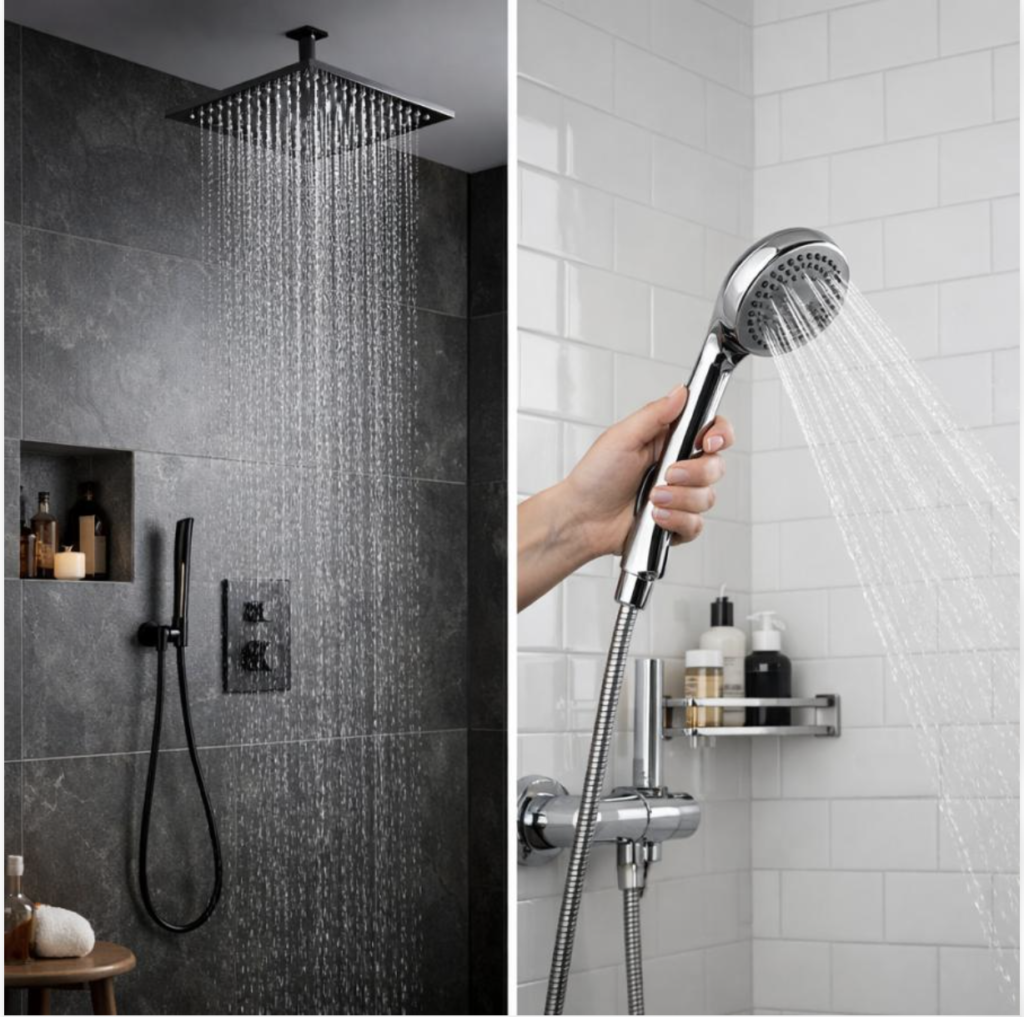
Rain Shower vs Hand Shower: Which One Is Right for Your Bathroom?

Choosing the right shower setup can make a noticeable difference to your daily routine. Two popular options are the rain shower and the hand shower. Both provide a comfortable showering experience, but they serve different purposes and offer distinct advantages.

A rain shower is designed to create a relaxing, overhead water flow, while a hand shower offers greater control and flexibility. So, which one is better for your bathroom?

The answer depends on how you use your shower, the space available, and the experience you want to create. Let’s compare the two.

1. What Is a Rain Shower?

A rain shower, also known as an overhead shower, is designed to distribute water from above, creating a broad spray that resembles natural rainfall.

It is usually installed on the ceiling or on a wall-mounted arm positioned high above the user. Rain showers are available in different shapes and sizes, making them suitable for a variety of bathroom styles.

Main advantages of a rain shower:

  • Relaxing experience: The overhead water flow creates a calm and comfortable showering environment.
  • Wide coverage: Its larger spray area can distribute water over a wider part of the body.
  • Modern appearance: Its clean design works particularly well in contemporary bathrooms.
  • Convenient everyday use: Once positioned correctly, it allows you to shower without holding or adjusting the shower head.

However, a rain shower is fixed in position, so directing water towards a specific area can be more difficult.

2. What Is a Hand Shower?

A hand shower is a shower head connected to a flexible hose. It sits in a holder or on a shower rail and can be removed whenever you need to direct the water manually.

Unlike a fixed overhead shower, a hand shower allows you to control the direction of the water. This makes it a practical choice for everyday routines and different cleaning tasks.

Main advantages of a hand shower:

  • Greater flexibility: You can direct the water exactly where you need it.
  • Easier rinsing: It is convenient for rinsing shampoo, washing specific areas and reaching places that are harder to reach with an overhead shower.
  • Practical cleaning: You can use it to rinse shower walls, floors and other parts of the shower area.
  • Adjustable positioning: When installed on a suitable shower rail, the holder can often be adjusted to different heights.

A hand shower may not provide the same broad, overhead experience as a rain shower, but its versatility makes it highly practical.

3. Rain Shower vs Hand Shower: Key Differences

Although both are designed for the same basic purpose, their everyday use is quite different.

Feature Rain Shower Hand Shower
Water direction From above Manually directed
Coverage Generally wider and more spread out More focused and adjustable
Shower experience Relaxing, overhead flow Flexible and practical
Position Fixed Removable from holder
Rinsing hair Convenient, depending on installation Easy to direct
Cleaning the shower Less convenient More convenient
Design Often creates a minimalist look Offers practical flexibility
Rain shower and hand shower compared in modern bathroom settings
Rain shower vs hand shower

Neither option is automatically better. A rain shower prioritises the overall showering experience, while a hand shower prioritises control and convenience.

4. Which One Is Better for Everyday Use?

The best option depends on your daily habits and personal preferences.

A rain shower can be a good choice if you enjoy a relaxing shower with water falling from above. It is particularly appealing for people who prefer a simple, uncluttered shower arrangement.

A hand shower is often more practical when flexibility matters. For example, it can make rinsing hair easier, help with cleaning the shower area and allow you to direct water towards specific parts of the body.

It can also be useful in households where different people have different showering preferences.

If you are designing a bathroom for everyday family use, considering these practical differences is just as important as choosing the appearance of the shower fittings.

5. Can You Have Both a Rain Shower and a Hand Shower?

Yes. In fact, combining both is often one of the most practical solutions for a modern bathroom.

A combination shower system usually includes an overhead rain shower and a separate hand shower, allowing you to switch between the two according to your needs.

For example:

  • Use the rain shower when you want a relaxing, hands-free shower.
  • Use the hand shower when rinsing your hair or directing water to a specific area.
  • Use the hand shower to rinse the shower enclosure after cleaning.

This arrangement combines the comfort of an overhead shower with the flexibility of a hand shower.

Before choosing a combination system, check that the shower mixer or diverter is compatible with the number of water outlets you intend to use. The installation must also provide suitable water pressure and flow for the selected fittings.

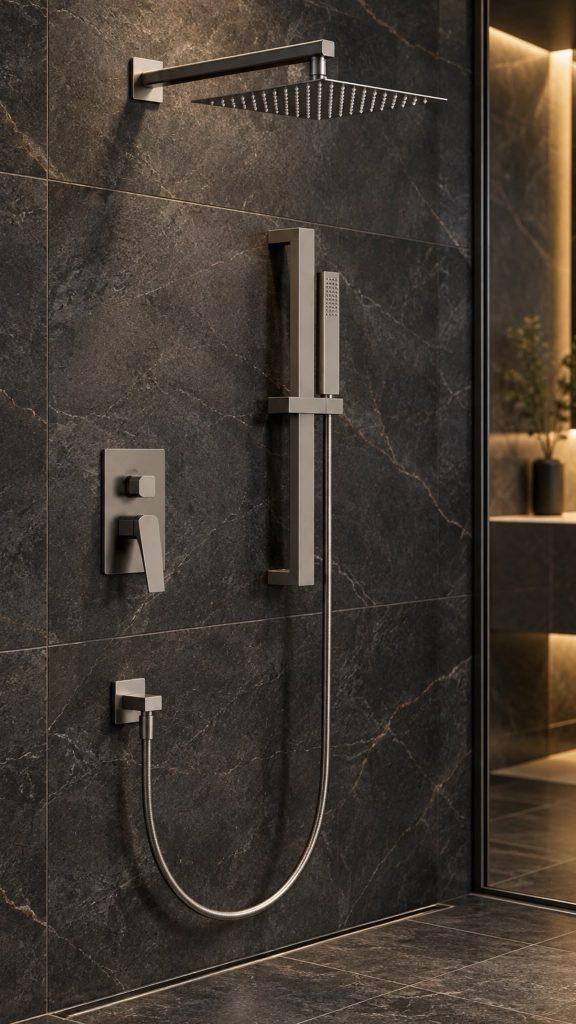
Combined rain shower and hand shower system in a modern bathroom
Combined rain shower and hand shower system

6. What About Water Consumption?

One common question is whether a rain shower uses more water than a hand shower.

The answer is not determined by the shower type alone. Water consumption depends on factors such as the flow rate of the shower head, how long you shower and whether the product has water-saving features.

A large rain shower may have a higher flow rate than some smaller shower heads, but this is not always the case. Similarly, using a hand shower does not automatically mean using less water.

To make a more informed choice, check the manufacturer’s stated flow rate, usually measured in litres per minute (L/min).

You can estimate water consumption using this simple formula:

Water consumption = Flow rate × Shower duration

For example, a shower head with a flow rate of 9 litres per minute uses approximately 90 litres during a 10-minute shower.

Choosing a suitable flow rate and keeping shower time reasonable can help manage water consumption, regardless of the shower type.

7. Which One Should You Choose?

There is no single answer that suits every bathroom. Your choice should reflect your priorities.

  • Choose a rain shower if you prefer a relaxing overhead experience, wide water coverage and a clean, contemporary look.
  • Choose a hand shower if flexibility, targeted rinsing and practical everyday use are more important to you.
  • Choose both if you want the benefits of an overhead shower and the convenience of a removable hand shower.

Ultimately, the right shower arrangement is the one that makes your bathroom more comfortable and functional for the people who use it.

Frequently Asked Questions

Is a rain shower better than a hand shower?

Not necessarily. A rain shower offers a relaxing overhead experience, while a hand shower provides more control and flexibility. The better option depends on your preferences and daily needs.

Can a rain shower be used with a hand shower?

Yes. Many shower systems are designed to include both. A compatible mixer or diverter allows you to switch between the overhead shower and the hand shower.

Does a rain shower use more water?

Not always. Water consumption depends mainly on the product’s flow rate and how long it is used, rather than simply whether it is a rain shower or a hand shower.

Is a hand shower practical for a small bathroom?

Yes. A hand shower can be a practical option in smaller bathrooms because it offers flexible water direction and does not require a large overhead shower head.

Can I install a rain shower without a ceiling connection?

Yes. Some rain showers can be installed using a suitable wall-mounted shower arm. The correct installation depends on the product design and the bathroom’s existing plumbing.

Rain showers and hand showers offer different advantages, and choosing between them is about more than appearance. A rain shower can create a relaxing, overhead experience, while a hand shower provides the flexibility needed for everyday tasks.

If your bathroom layout and budget allow it, combining both can give you a more versatile showering experience without having to choose one over the other.

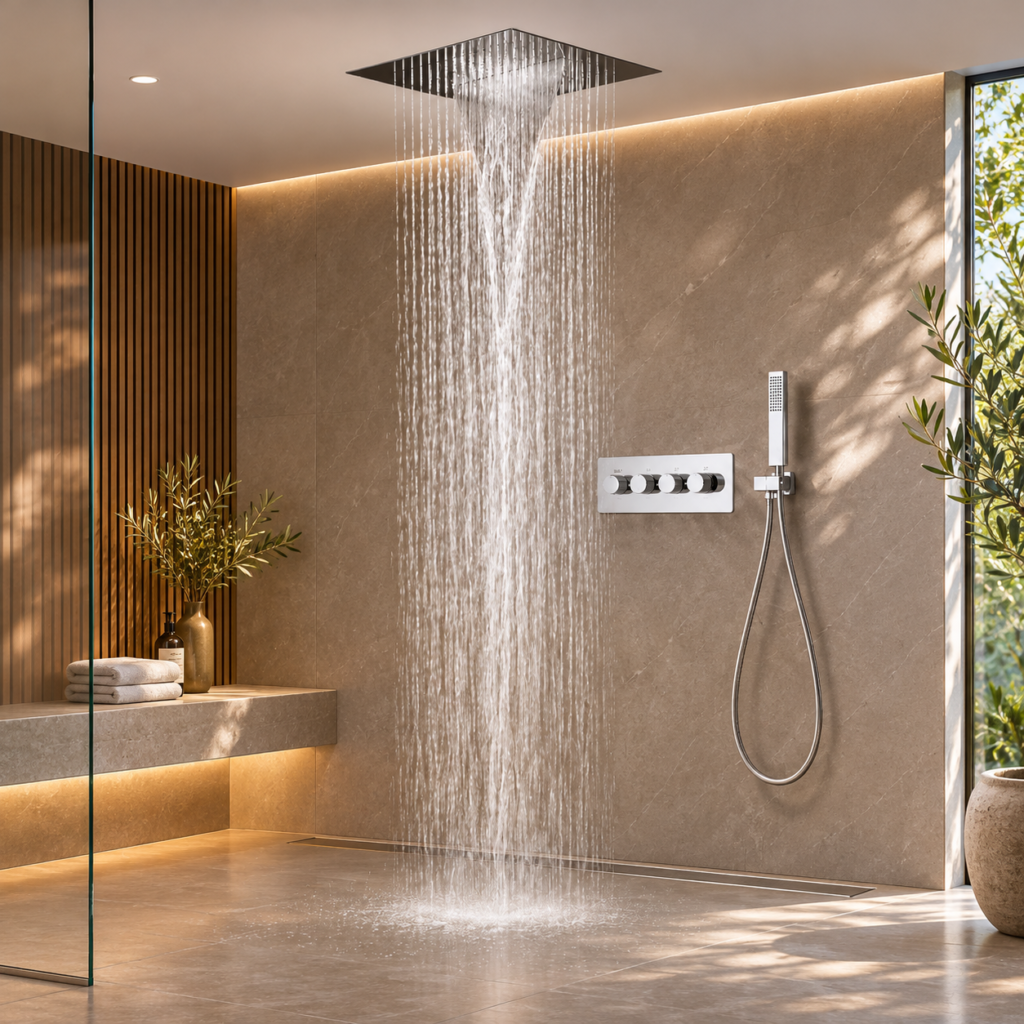
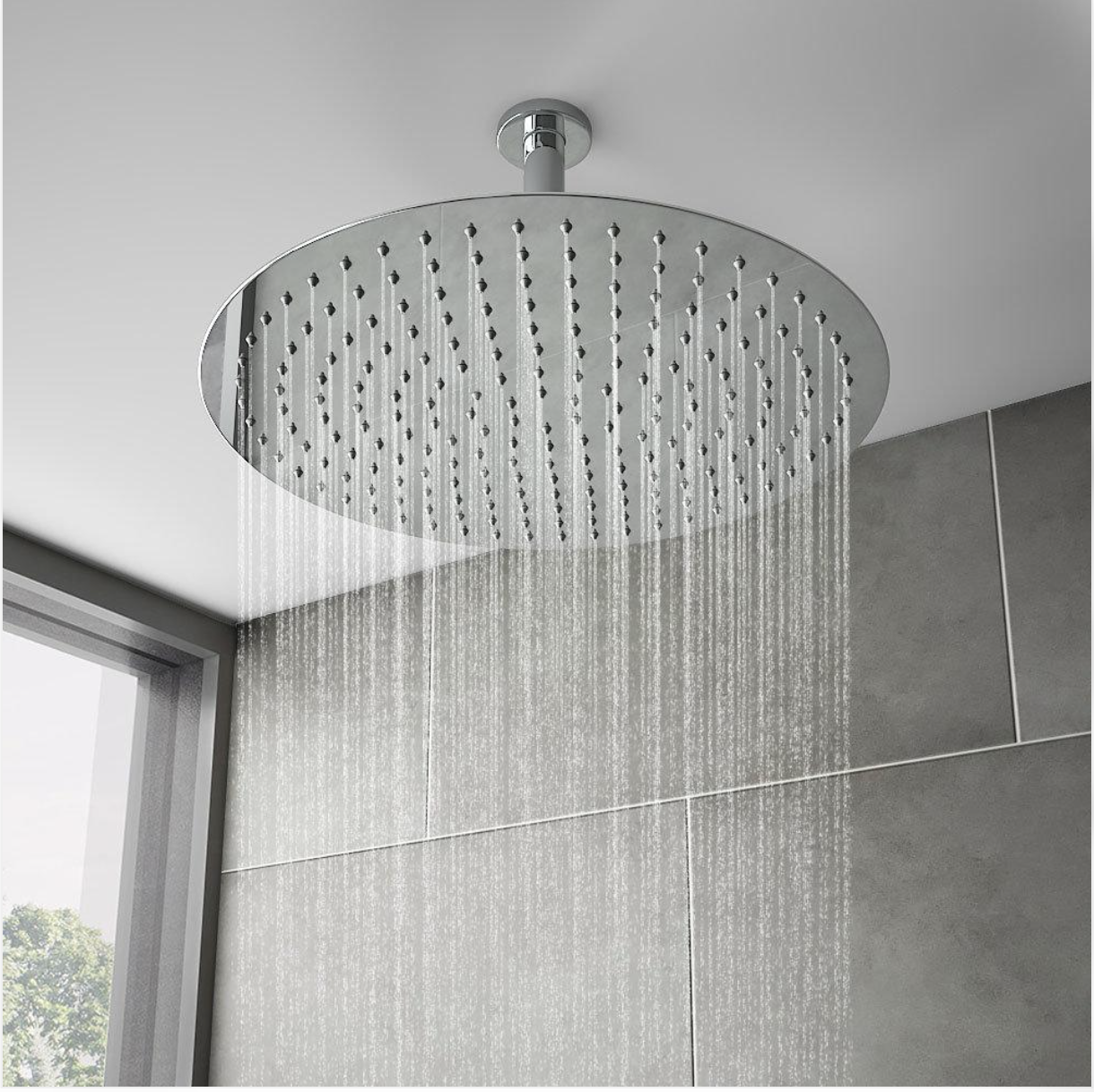
Modern rainfall shower head in a contemporary bathroom

How to Choose the Right Shower Head for Your Bathroom

Choosing the right shower head can make a bigger difference to your daily bathroom experience than you might expect. The right design can improve comfort, complement your bathroom style, and help you make better use of water.

However, with so many options available, it is not always easy to know which type is right for your space.

Should you choose a rainfall shower head, a standard wall-mounted model, or a handheld shower? What about size, water pressure, and installation?

Here is what you should consider before choosing a shower head for your bathroom.

1. Understand the Different Types of Shower Heads

The first step is understanding the main types of shower heads and how they differ.

Rainfall Shower Heads

Rainfall shower heads are usually larger and installed on the ceiling or high on the wall. They distribute water over a wider area, creating a gentle, rain-like shower experience.

They are particularly popular in contemporary bathrooms, where a minimalist and relaxing atmosphere is desired.

Fixed Wall-Mounted Shower Heads

These shower heads are attached to a wall-mounted arm. They are available in different shapes and sizes, including round, square, and rectangular designs.

They are a practical choice for bathrooms where ceiling installation is not possible or where a more traditional shower arrangement is preferred.

Hand Shower 

Hand shower (Handheld shower heads) are connected to a flexible hose and can be removed from their holder during use.

They offer greater flexibility and are useful for rinsing, cleaning the shower area, and making bathing easier for children or people with limited mobility.

Combination Shower Systems

Some shower systems combine an overhead shower head with a handheld shower. This arrangement gives you the flexibility to enjoy both a rainfall-style shower and a more targeted water flow.

Rainfall Shower Head
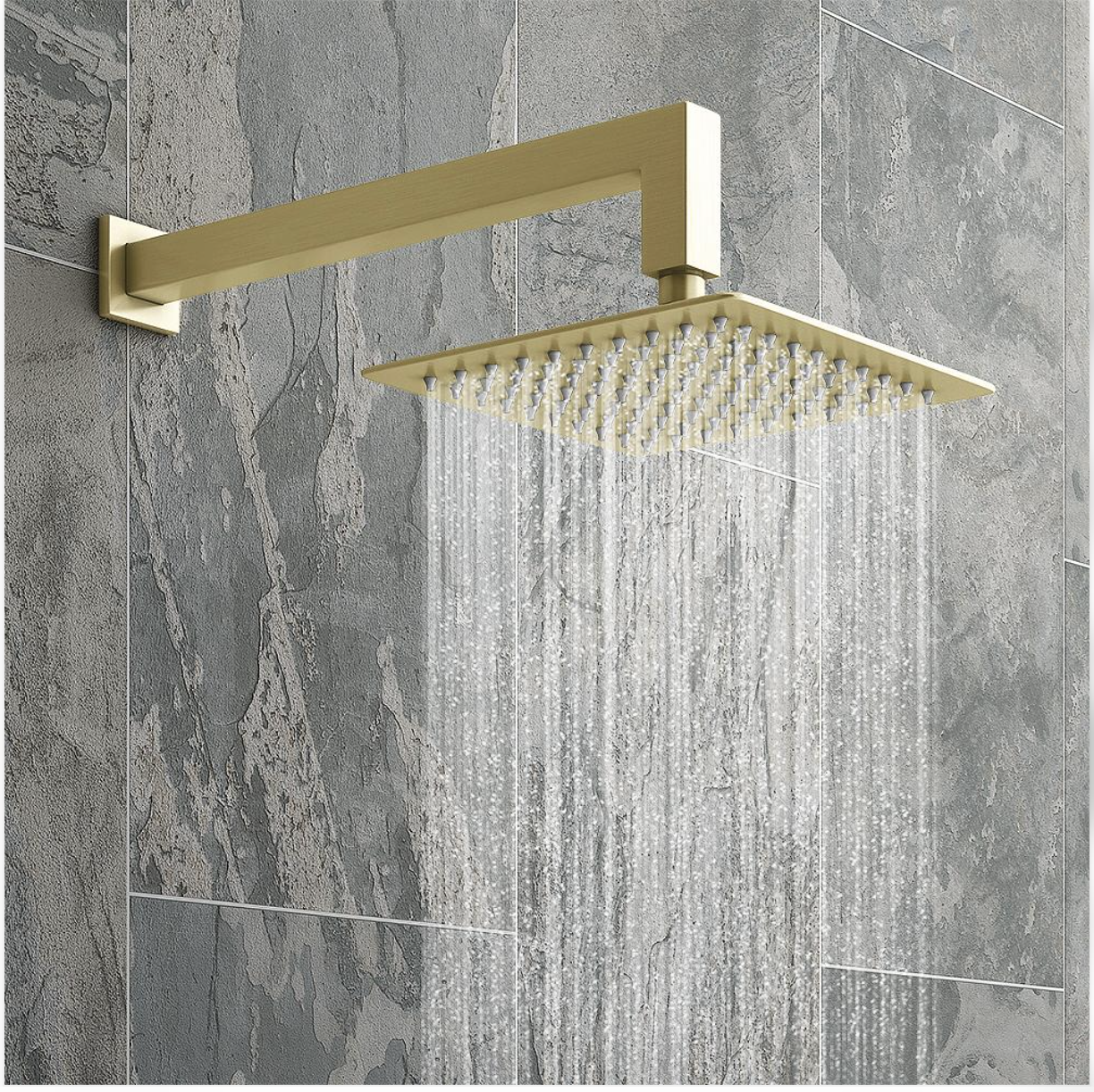
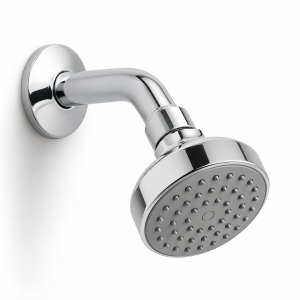
Wall Mounted Shower Head
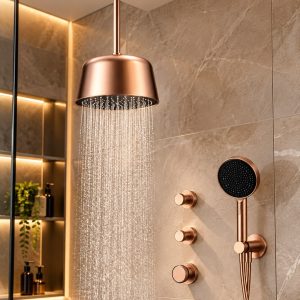
Ceiling-Mounted Shower Head
Ceiling- Mounted Shower Head
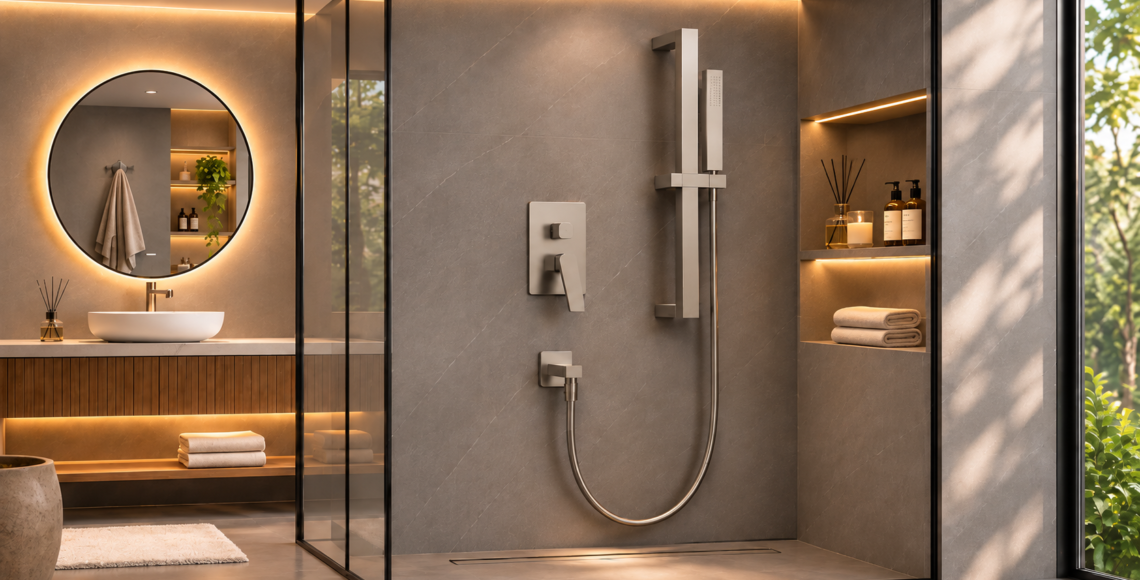
2-Way Concealed Shower Mixer with Integrated Hand Shower
Combination Shower Systems
Saniterra Concealed Shower Mixer tap

2. Rainfall vs Standard Shower Heads: Which Is Better?

Rainfall and standard shower heads offer different showering experiences.

A rainfall model generally has a wider spray area and is designed to distribute water over a larger part of the body. A standard shower head often produces a more focused spray, which can be useful for everyday rinsing.

Neither option is automatically better. The right choice depends on your preferences, water pressure, bathroom layout, and the shower experience you want.

If you prefer a spacious, relaxing shower, a larger overhead model may be a good choice. If you want a more practical and adaptable arrangement, a standard wall-mounted shower head or a combination system may suit you better.

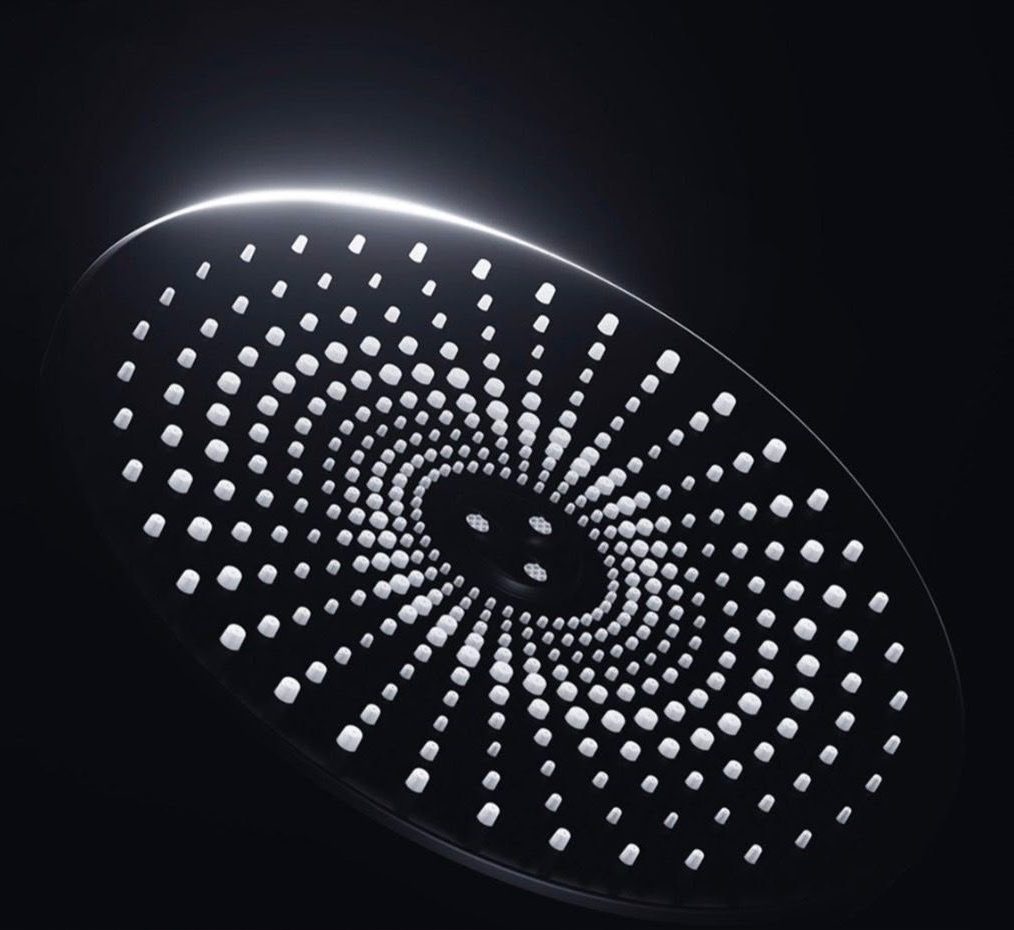
Rainfall Shower Head with Integrated Central Massage Jets

3. Consider Water Pressure and Flow Rate

Water pressure is one of the most important factors when choosing a shower head.

A large shower head does not necessarily require more water, but its performance depends on the available water pressure, the product design, and the flow rate.

If your home has low water pressure, choosing a shower head designed to work with your plumbing conditions is particularly important.

Before purchasing, consider:

  • The water pressure available in your home.
  • The shower head’s recommended operating pressure.
  • Its flow rate, usually measured in litres per minute (L/min).
  • Whether your plumbing system can support the selected shower arrangement.

A shower head with a higher flow rate is not necessarily more comfortable. Spray pattern and nozzle design also influence the overall experience.

If you are unsure about your water pressure, ask a plumber to check it before choosing a large overhead shower.

4. Choose the Right Size and Shape

Shower heads are available in different sizes and shapes, and their dimensions can influence both appearance and practicality.

Larger shower heads provide a wider spray area, but they also need to be suitable for the available water supply and shower space.

When choosing a size, consider:

  • The dimensions of your shower enclosure.
  • The height of the ceiling or wall installation.
  • The position of the shower arm.
  • The available water pressure.
  • The overall proportions of your bathroom.

Round shower heads often create a softer, more balanced appearance, while square and rectangular designs can complement bathrooms with clean, geometric lines.

The best choice is one that combines comfortable water coverage with the proportions of your shower area.

5. Fixed or Handheld: Which Shower Head Suits Your Needs?

A fixed shower head offers a simple and clean installation, while a handheld model provides more flexibility.

Your choice may depend on how you use your shower every day.

A fixed shower head is suitable if you prefer a simple setup with a consistent water direction. A handheld shower is particularly practical for rinsing, cleaning, and reaching different areas of the body.

For greater flexibility, you can choose a shower system that includes both options.

If accessibility and ease of use are important, consider the position of the shower rail and the height adjustment of the handheld shower.

6. Pay Attention to Material and Finish

A shower head should not only perform well but also complement the other bathroom fittings.

Chrome remains a popular choice because of its bright, reflective appearance. Stainless steel offers a contemporary look, while other finishes can create a more distinctive bathroom design.

When choosing a finish, consider the shower mixer, shower arm, accessories, and other visible fittings.

Using coordinated finishes can create a more consistent appearance throughout the bathroom.

For example, a chrome shower head can complement chrome mixers and accessories, while graphite or gold finishes can create a stronger visual statement.

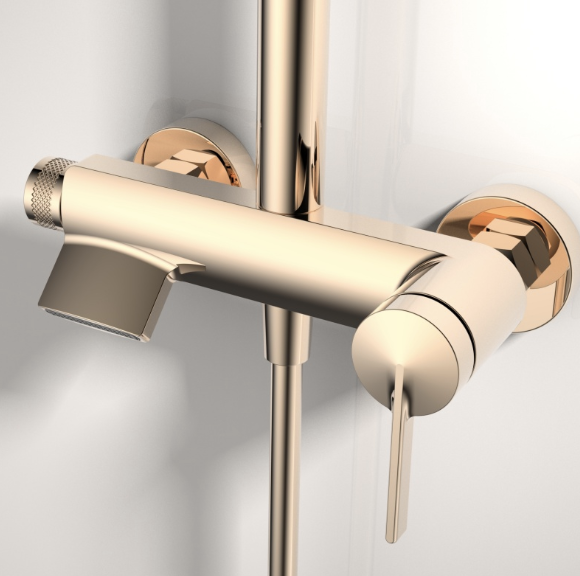
Saniterra Concealed rose gold bath mixer Faucet
Saniterra Bath Mixer Tap

7. Cleaning and Maintenance Matter

Regular cleaning helps maintain the appearance and performance of your shower head.

Over time, limescale and mineral deposits can build up around the spray nozzles, particularly in areas with hard water. This can affect the water distribution and make some spray outlets partially blocked.

To keep your shower head in good condition:

  • Clean the nozzles regularly according to the manufacturer’s instructions.
  • Use a suitable bathroom cleaning product.
  • Avoid abrasive materials that could damage the finish.
  • Check for limescale around the spray outlets.
  • Inspect the shower arm and connections for signs of leakage.
  • Some shower heads feature anti-limescale or easy-clean nozzles, which can make routine maintenance easier.

Always follow the product manufacturer’s cleaning recommendations, especially for special finishes.

8. Check Installation and Compatibility

Before purchasing a new shower head, check that it is compatible with your existing shower installation.

Some models require a wall-mounted shower arm, while others are designed for ceiling installation. You should also check the connection size, water pressure requirements, and whether the existing mixer can supply the selected shower system.

If you are planning a bathroom renovation, it is a good opportunity to consider the complete shower arrangement, including the shower head, shower arm, mixer, handheld shower, and rail.

A qualified installer can help confirm compatibility and ensure the system is installed correctly.

Frequently Asked Questions

What is the best type of shower head for everyday use?

There is no single best option for every bathroom. Fixed shower heads are practical for everyday use, rainfall models offer a wider spray experience, and handheld showers provide greater flexibility.

Does a larger shower head use more water?

Not necessarily. Water consumption depends on the flow rate and operating time, not just the physical size of the shower head. Always check the manufacturer’s flow-rate information.

Are rainfall shower heads suitable for low water pressure?

It depends on the model and your plumbing system. Larger overhead shower heads may need suitable pressure and flow to perform as intended. Check the manufacturer’s specifications before purchasing.

How often should I clean my shower head?

Regular cleaning is recommended, particularly in areas with hard water. The frequency depends on water quality and the manufacturer’s maintenance instructions.

Can I replace my shower head without replacing the mixer?

In many installations, yes. However, you should check the connection type, water pressure requirements, and compatibility with your existing shower mixer and pipework.

Choosing the right shower head is about balancing comfort, design, water performance, and practicality.

Whether you prefer a rainfall shower, a classic wall-mounted model, or a hand shower option, the best choice is one that suits your bathroom layout and daily needs.

Take the time to check the size, flow rate, material, finish, and installation requirements before making your decision.

A well-chosen shower head can help create a more comfortable and enjoyable bathroom experience for years to come.

The Ultimate Guide to Choosing the Right Taps for Your Home

When you’re renovating your kitchen or bathroom, faucets might seem like a small detail, but they can completely transform the look and functionality of your space. Whether you’re aiming for a sleek modern vibe or a timeless classic design, the right faucet brings balance, style, and performance together.
In this guide, we’ll help you navigate through the key factors that matter when choosing a faucet “from types and materials to design harmony” and explore why European craftsmanship, like that of Saniterra, continues to set the standard for beauty and durability.
Understanding Different Types of Faucets (Wall-mounted, Deck-mounted)
Choosing the right type of faucet depends on both your plumbing setup and your design preferences.

Perfect for minimalist bathrooms or modern kitchens, wall-mounted taps save counter space and make cleaning easier. They pair beautifully with vessel sinks and can create a floating, clutter-free look. If you prefer a seamless and elegant finish, concealed faucets are an excellent option. The main body is hidden inside the wall, leaving only the spout and handles visible. They fit especially well in contemporary interiors that value clean lines and subtle luxury.

  • Deck-mounted faucets

The most common and versatile option, deck-mounted faucets are installed directly on the sink or countertop. They come in endless designs, from simple mixers to statement pieces that serve as the centerpiece of your vanity or kitchen island.

Each style offers a different experience. It’s not just about looks, it’s also about how you use your space every day.

Brass vs. Stainless Steel 304, Which Is Better?

When it comes to faucet materials, brass and stainless steel 304 are the top choices; both trusted for their strength and durability, but each with its own charm.
  • Brass faucets have been a classic for decades. They’re known for their warm, rich tone and resistance to corrosion. Brass allows for intricate designs and detailed craftsmanship, making it ideal for traditional or luxurious interiors.
  • Stainless steel 304 faucets bring a sleek, modern touch. They’re highly resistant to rust and water stains, easy to maintain, and perfect for those who love a clean, minimalist aesthetic.
We offers both; giving homeowners the flexibility to choose based on their style, function, and budget. What truly sets these faucets apart is the precision in European manufacturing and the attention to surface finishing. Whether it’s brushed steel, polished chrome, or matte black, each finish is applied with care to match current interior trends and ensure lasting beauty.

Matching Faucet Style with Interior Design

Your faucet shouldn’t just work well; it should feel like it belongs. The best designs complement the colors, textures, and overall mood of your space.
For a modern home, go for clean silhouettes, concealed mechanisms, and neutral finishes like matte black or brushed nickel. These tones blend effortlessly with minimalist or industrial designs.
For a classic or transitional style, warm metallics such as brushed gold or bronze can bring elegance and warmth. A curved spout or cross-handle design can tie the entire look together.
And if you want something versatile, stainless steel or chrome never goes out of style; timeless, easy to pair, and always polished.
Saniterra’s wide range of finishes allows you to choose exactly the right tone for your design; whether you’re matching marble countertops, wooden cabinets, or modern concrete textures.

Why Choose European Mixer Taps?

When it comes to quality faucets, craftsmanship is everything. European production has long been recognized for precision, aesthetics, and long-lasting value, and Saniterra embodies that tradition with pride.

Sustainable Quality that Lasts

Durability and sustainability go hand in hand. Saniterra focuses on eco-conscious production methods and premium raw materials — from recyclable brass to high-grade stainless steel 304. The brand’s triple-finish options ensure that color and texture remain consistent over time, even in humid or high-use environments.

It’s not just about following trends — it’s about creating timeless beauty that endures daily life.

Choosing the right faucet isn’t just a technical decision, it’s an investment in how your home feels and functions. By understanding the types, materials, and design harmony, you can find a faucet that complements your lifestyle and enhances your space.
And if you’re looking for a blend of elegance, durability, and true European craftsmanship, Saniterra offers taps designed to inspire, built to last, and made to fit beautifully into any modern home.

Saniterra tuscano Diamond Concealed Basin mixer tap- Graphite

Washbasin mixer taps

The modern bathroom is more than just a functional space; it’s a sanctuary, a reflection of personal style and an area where meticulous design choices make a significant difference. At the heart of this design, often overlooked but incredibly impactful, lies the wash basin mixer tap. Far from being a mere water dispenser, these elegant fixtures are pivotal in defining the aesthetic and enhancing the functionality of your basin area. They are the conduits of comfort, blending hot and cold water seamlessly to provide the perfect temperature while offering intuitive control and contributing significantly to the overall ambiance. In this article, we delve into the sophisticated world of wash basin mixer taps, exploring their diverse types, the materials that define their durability and style, and the innovative features that elevate the daily ritual of handwashing into an experience of refined ease. Join us as we uncover how to select the ideal mixer tap that harmonizes with your bathroom’s design and meets your practical needs, with a special look at the quality offerings you might find at Saniterra.

The evolution of control: types of wash basin mixer taps

Wash basin mixer taps have come a long way from simple hot and cold faucets. Today, they embody a blend of innovative engineering and artistic design, offering various configurations to suit every preference and bathroom layout. Understanding these types is crucial for making an informed choice that balances aesthetics with functionality.

Single-lever mixer taps

These are perhaps the most popular choice due to their unparalleled ease of use. A single lever controls both water flow and temperature, allowing for quick and precise adjustments. Their minimalist design makes them ideal for contemporary bathrooms, offering a sleek, uncluttered look. The intuitive operation also contributes to water efficiency, as users can find the desired temperature faster.


Dual-handle mixer taps:

For those who appreciate a classic aesthetic or prefer separate control over hot and cold water, dual-handle taps are an excellent option. Featuring two distinct handles for hot and cold, and often a central spout, they evoke a more traditional or timeless feel. While requiring two hands for temperature blending, many users find the independent control satisfying and precise.

Concealed mixer taps:

A sophisticated choice that frees up basin space, Concealed (wall-mounted) mixer taps are a hallmark of modern and luxurious bathrooms. The plumbing is concealed within the wall, leaving only the spout and handles visible, creating a clean, architectural look. These taps require careful planning during bathroom renovation or construction but offer a truly striking visual impact and make cleaning the basin area much easier.

  • Sensor or touchless taps:

Representing the pinnacle of hygiene and convenience, touchless taps are increasingly popular in both residential and commercial settings. Activated by motion, they dispense water without physical contact, significantly reducing germ transmission. While often a higher investment, they also offer excellent water savings by eliminating unnecessary running water.

Materials and finishes: crafting durability and style

The material and finish of a wash basin mixer tap are not merely aesthetic choices; they dictate the tap’s durability, resistance to corrosion, and ease of maintenance. A well-chosen material and finish can ensure your tap remains a beautiful and functional part of your bathroom for years to come.

Solid brass:

This is the gold standard for tap construction due to its exceptional durability and resistance to corrosion. Taps made from solid brass, often with a low lead content, offer longevity and a robust feel. Brass provides an excellent base for various finishes to adhere to.

Stainless steel:

Known for its strength, corrosion resistance, and hygienic properties, stainless steel is another premium choice. It offers a contemporary look, often with a brushed finish, that is resistant to fingerprints and water spots.

Zinc alloy:

While more affordable, zinc alloy taps are generally less durable than brass or stainless steel and are more prone to corrosion over time. They are often used for less frequently used basins or as a budget-friendly option.

The finish applied to these materials transforms their appearance and adds another layer of protection. Some popular finishes include:

  • Chrome: The most common finish, chrome is highly reflective, easy to clean, and provides a brilliant, classic look that complements almost any bathroom style.
  • Matte black: A very fashionable choice for contemporary bathrooms, matte black offers a bold, sophisticated statement. It’s excellent for creating contrast and a minimalist aesthetic.
  • Brushed nickel: Offering a warmer, softer alternative to chrome, brushed nickel has a subtle, muted sheen that resists fingerprints and water spots, making it a practical and elegant choice.
  • Bronze/gold tones: These finishes evoke a sense of luxury and vintage charm, perfect for traditional or opulent bathroom designs.

Smart features and water efficiency: modern innovations

Today’s wash basin mixer taps are engineered with more than just basic functionality in mind. They incorporate smart features aimed at enhancing user experience, improving hygiene, and promoting water conservation – a critical consideration for both the environment and your utility bills. Saniterra, for example, often features models that highlight these advancements.

  • Precise temperature control: Many modern mixer taps are equipped with ceramic disc cartridges that offer superior control over water flow and temperature. This allows users to achieve their desired water temperature quickly and accurately, preventing scalding and reducing the time spent adjusting the tap, which in turn saves water.
  • Water-saving technologies: Aerators are standard features in contemporary taps, mixing air into the water stream to maintain a powerful flow while significantly reducing water consumption. Some advanced models also include flow restrictors or eco-settings that further limit water usage without compromising performance. This commitment to efficiency aligns perfectly with sustainable living practices.
  • Pull-out or swivel spouts: While more common in kitchen taps, some larger wash basin mixer taps, particularly those designed for utility or family bathrooms, feature pull-out or swivel spouts. These add immense versatility, making tasks like rinsing the basin or filling containers much easier.
  • Easy installation systems: Recognising the importance of convenience, many manufacturers now design taps with user-friendly installation mechanisms, such as quick-fix systems or pre-assembled components, reducing the complexity and time required for fitting.

These innovations ensure that a modern wash basin mixer tap is not just a utility but an integrated component of a smart, efficient, and comfortable bathroom environment.

Choosing the perfect taps for your bathroom

Selecting the ideal wash basin mixer tap involves balancing your aesthetic desires with practical requirements. At Saniterra, the diverse range ensures that there’s a perfect match for every bathroom style and budget. Consider the overall design language of your bathroom – is it sleek and minimalist, traditionally elegant, or industrial chic? The tap should complement this theme.

Here are some examples of what you might discover in Saniterra’s curated collection, showcasing variety in design and functionality:

Model Name (Example) Type Material & Finish Key Features Ideal Bathroom Style
Saniterra Urban Flow Single-lever Solid brass, matte black Ceramic disc cartridge, water-saving aerator, easy installation Modern, minimalist, industrial
Saniterra Classic Serenity Dual-handle Solid brass, polished chrome Traditional cross-head handles, precise hot/cold control Classic, traditional, transitional
Saniterra Wall Elegance Wall-mounted Stainless steel, brushed nickel Space-saving design, integrated flow control, sleek profile Contemporary, luxurious, spa-like
Saniterra EcoSense Single-lever Solid brass, polished chrome Eco-click function for water saving, precise temperature, robust build Family, modern, eco-conscious

When browsing, think about the tap’s height and reach relative to your basin to prevent splashing. Also, consider the water pressure in your home; some taps perform better with specific pressure levels. Saniterra’s commitment to quality ensures that whether you choose a minimalist single-lever or a grand wall-mounted fixture, you are investing in a product designed for durability, performance, and aesthetic appeal.

Conclusion

The wash basin mixer tap, while seemingly a small detail, is in fact a powerful element in shaping the functionality, style, and overall experience of your bathroom. From the streamlined efficiency of a single-lever design to the classic charm of dual handles and the sophisticated statement of a wall-mounted fixture, the choices are vast and varied. Materials like solid brass and stainless steel provide the foundation for longevity, while diverse finishes such as matte black, polished chrome, and brushed nickel allow for personalization that truly reflects your taste. Furthermore, modern innovations like precise temperature control and water-saving aerators transform these fixtures into smart, environmentally conscious components of your home. Ultimately, selecting the perfect mixer tap is an act of balancing personal style with practical needs, ensuring that your daily routine is not only efficient but also aesthetically pleasing. Explore the curated collections, such as those at Saniterra, where quality, design, and innovation converge to offer you the ideal solution for elevating your bathroom space.

Saniterra