
How to Choose the Right Shower Head for Your Bathroom
Choosing the right shower head can make a bigger difference to your daily bathroom experience than you might expect. The right design can improve comfort, complement your bathroom style, and help you make better use of water.
However, with so many options available, it is not always easy to know which type is right for your space.
Should you choose a rainfall shower head, a standard wall-mounted model, or a handheld shower? What about size, water pressure, and installation?
Here is what you should consider before choosing a shower head for your bathroom.
1. Understand the Different Types of Shower Heads
The first step is understanding the main types of shower heads and how they differ.
Rainfall Shower Heads
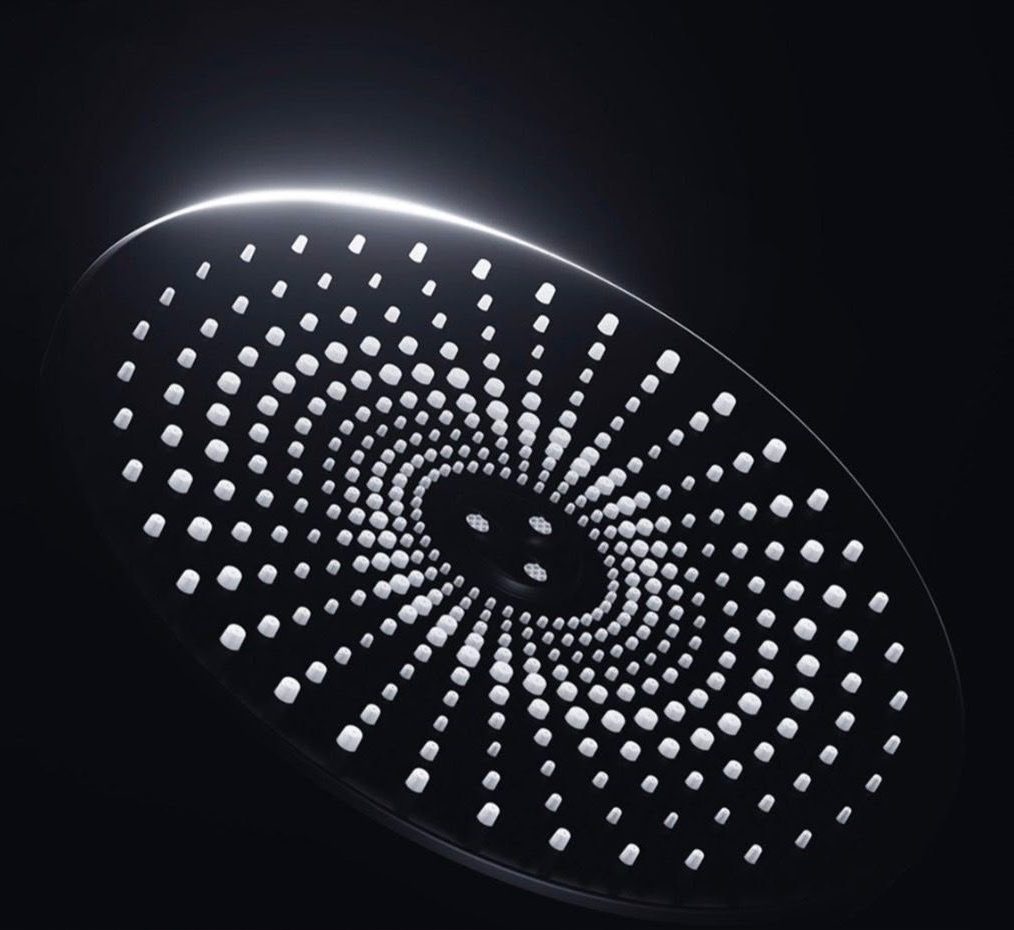
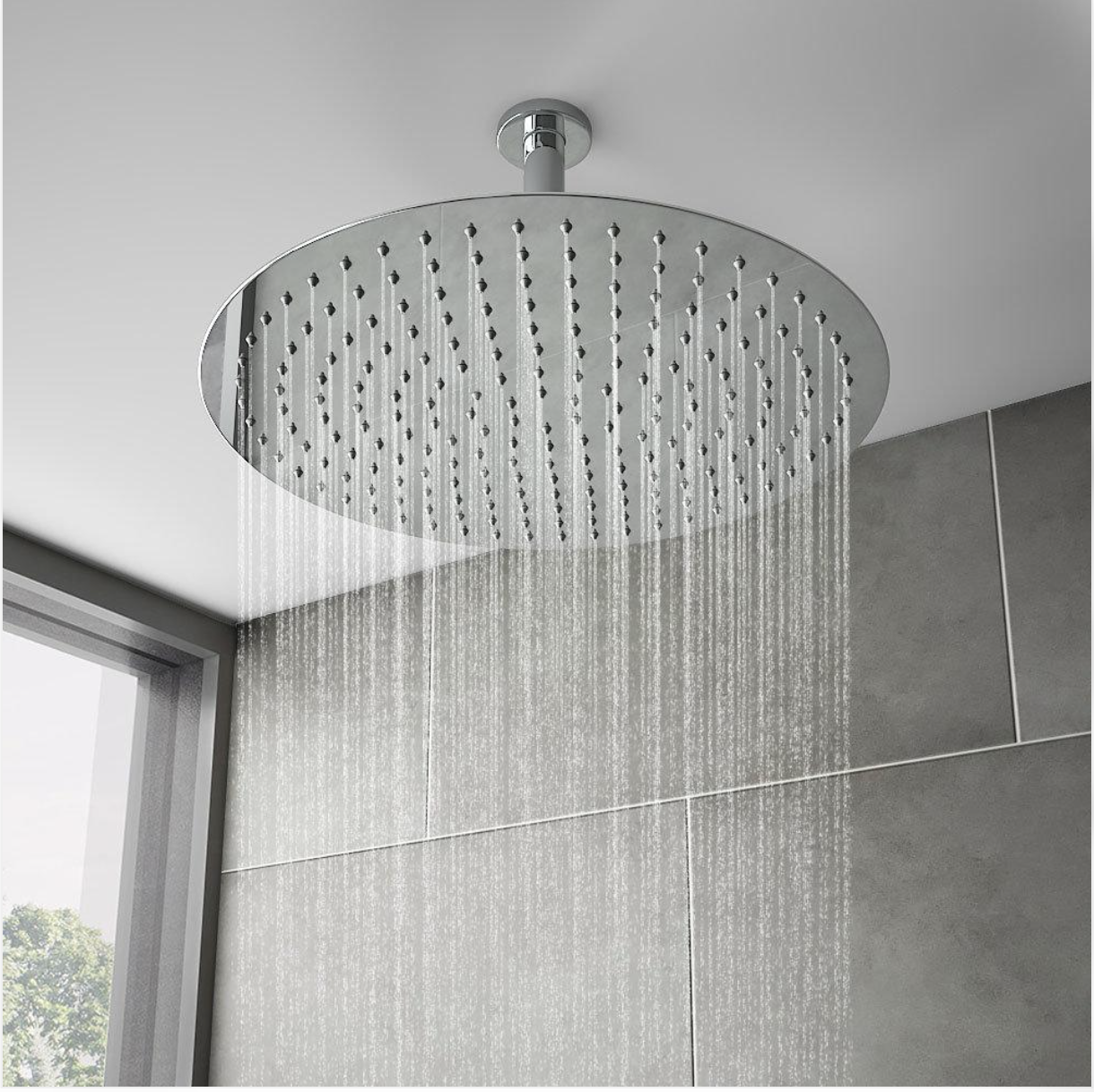
Rainfall shower heads are usually larger and installed on the ceiling or high on the wall. They distribute water over a wider area, creating a gentle, rain-like shower experience.
They are particularly popular in contemporary bathrooms, where a minimalist and relaxing atmosphere is desired.
Fixed Wall-Mounted Shower Heads
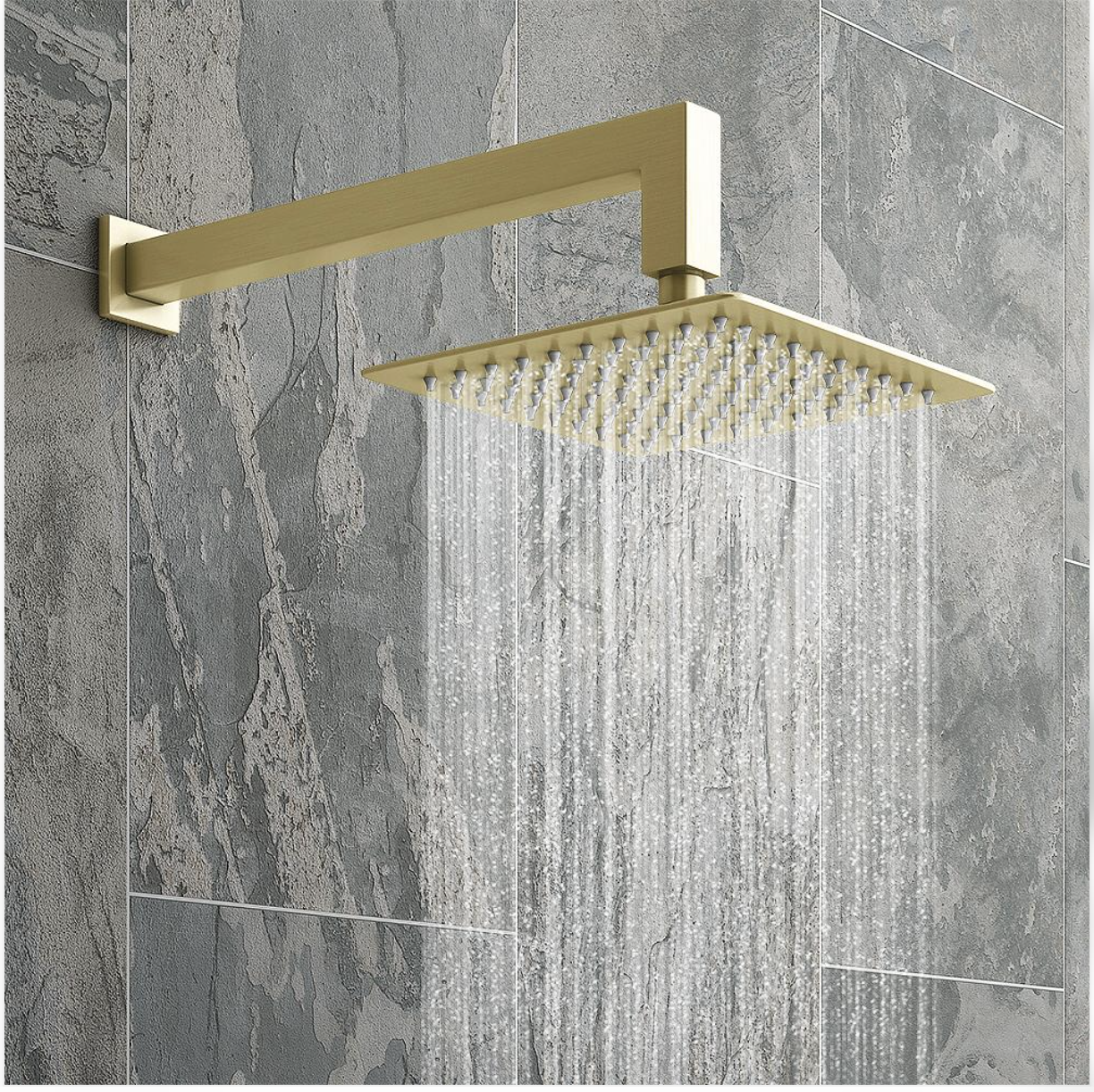
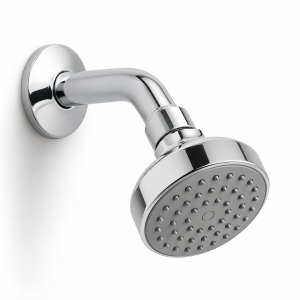
These shower heads are attached to a wall-mounted arm. They are available in different shapes and sizes, including round, square, and rectangular designs.
They are a practical choice for bathrooms where ceiling installation is not possible or where a more traditional shower arrangement is preferred.
Hand Shower
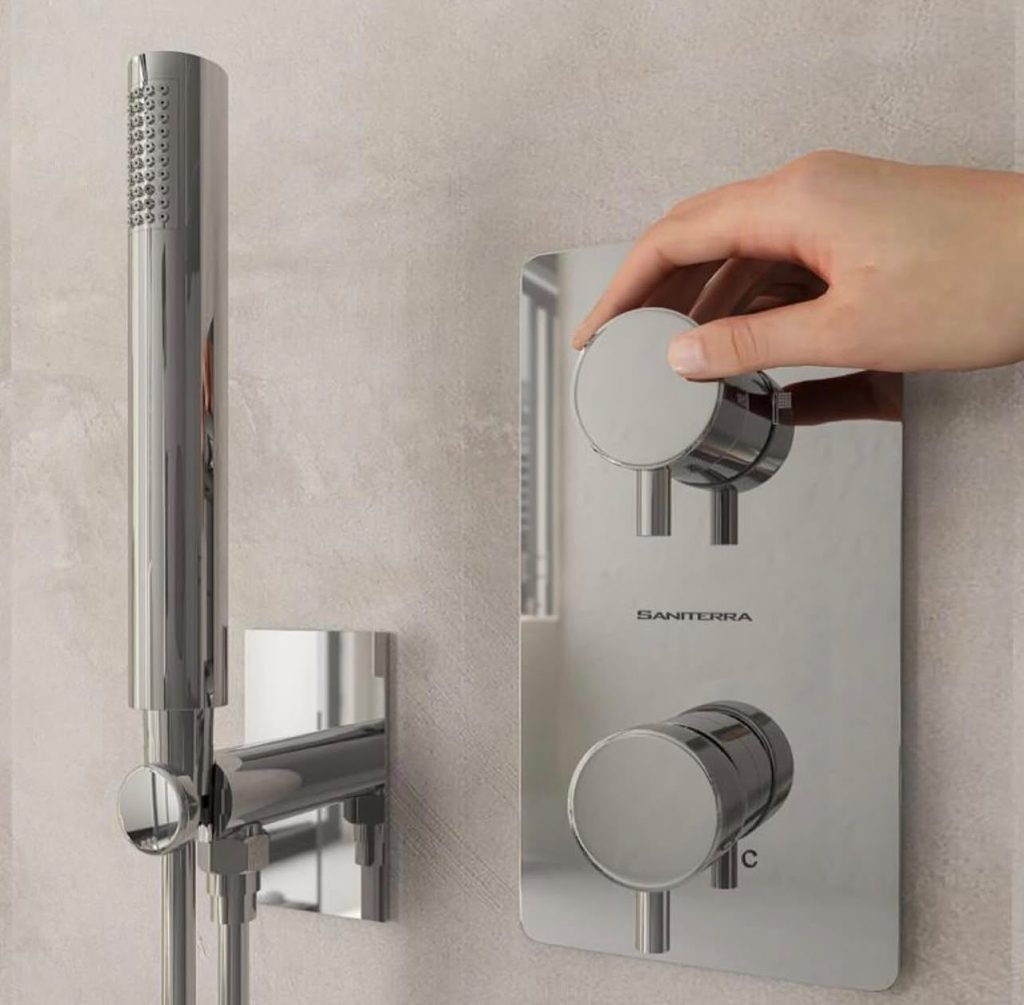
Hand shower (Handheld shower heads) are connected to a flexible hose and can be removed from their holder during use.
They offer greater flexibility and are useful for rinsing, cleaning the shower area, and making bathing easier for children or people with limited mobility.
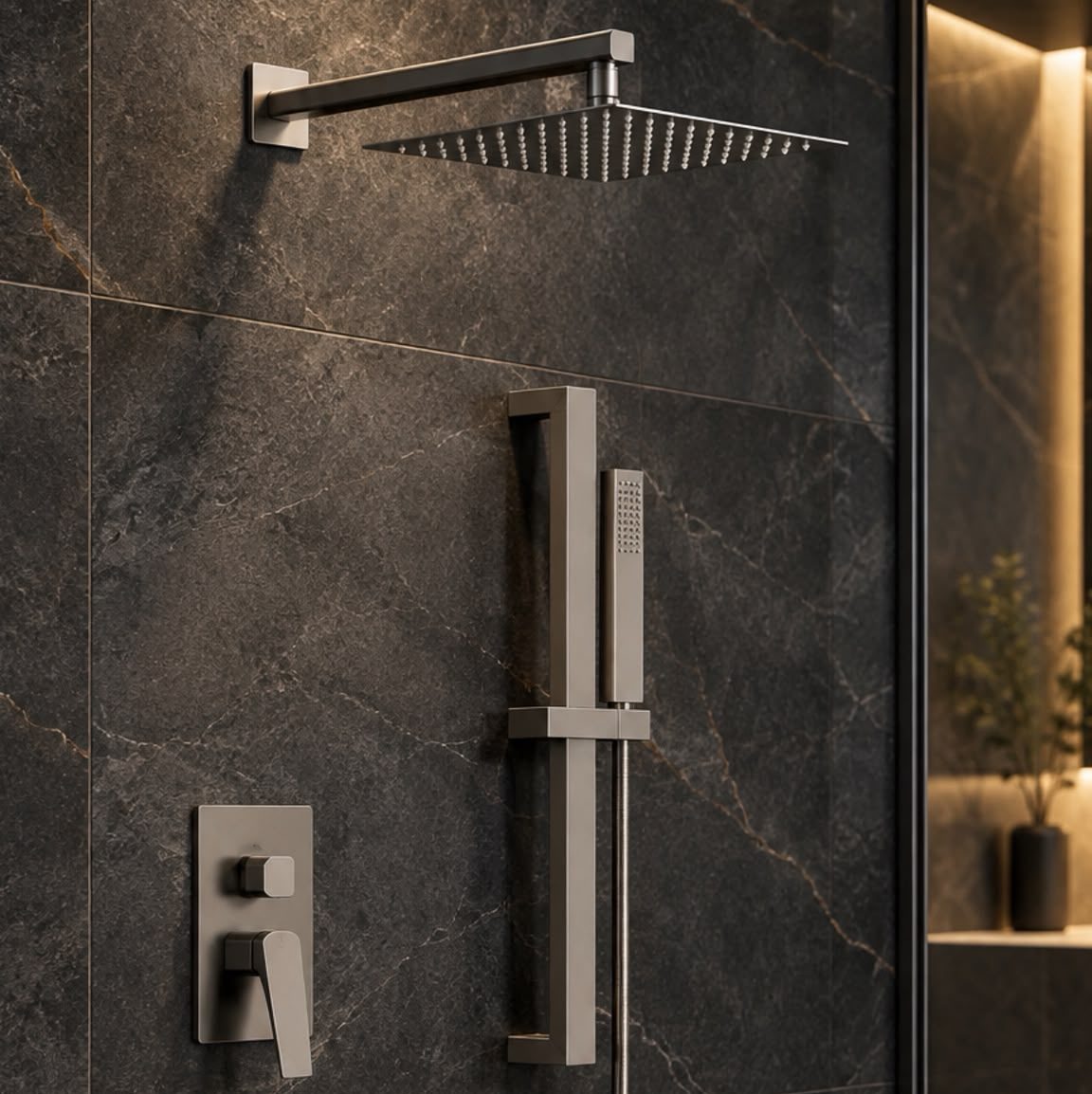
Combination Shower Systems
Some shower systems combine an overhead shower head with a handheld shower. This arrangement gives you the flexibility to enjoy both a rainfall-style shower and a more targeted water flow.
2. Rainfall vs Standard Shower Heads: Which Is Better?
Rainfall and standard shower heads offer different showering experiences.
A rainfall model generally has a wider spray area and is designed to distribute water over a larger part of the body. A standard shower head often produces a more focused spray, which can be useful for everyday rinsing.
Neither option is automatically better. The right choice depends on your preferences, water pressure, bathroom layout, and the shower experience you want.
If you prefer a spacious, relaxing shower, a larger overhead model may be a good choice. If you want a more practical and adaptable arrangement, a standard wall-mounted shower head or a combination system may suit you better.
3. Consider Water Pressure and Flow Rate
Water pressure is one of the most important factors when choosing a shower head.
A large shower head does not necessarily require more water, but its performance depends on the available water pressure, the product design, and the flow rate.
If your home has low water pressure, choosing a shower head designed to work with your plumbing conditions is particularly important.
Before purchasing, consider:
- The water pressure available in your home.
- The shower head’s recommended operating pressure.
- Its flow rate, usually measured in litres per minute (L/min).
- Whether your plumbing system can support the selected shower arrangement.
A shower head with a higher flow rate is not necessarily more comfortable. Spray pattern and nozzle design also influence the overall experience.
If you are unsure about your water pressure, ask a plumber to check it before choosing a large overhead shower.
4. Choose the Right Size and Shape
Shower heads are available in different sizes and shapes, and their dimensions can influence both appearance and practicality.
Larger shower heads provide a wider spray area, but they also need to be suitable for the available water supply and shower space.
When choosing a size, consider:
- The dimensions of your shower enclosure.
- The height of the ceiling or wall installation.
- The position of the shower arm.
- The available water pressure.
- The overall proportions of your bathroom.
Round shower heads often create a softer, more balanced appearance, while square and rectangular designs can complement bathrooms with clean, geometric lines.
The best choice is one that combines comfortable water coverage with the proportions of your shower area.
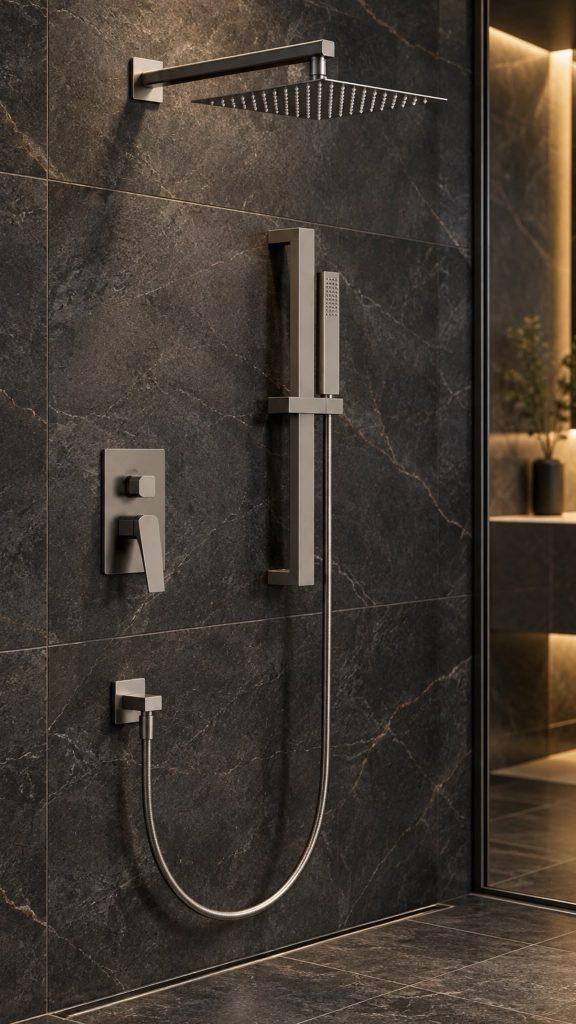
5. Fixed or Handheld: Which Shower Head Suits Your Needs?
A fixed shower head offers a simple and clean installation, while a handheld model provides more flexibility.
Your choice may depend on how you use your shower every day.
A fixed shower head is suitable if you prefer a simple setup with a consistent water direction. A handheld shower is particularly practical for rinsing, cleaning, and reaching different areas of the body.
For greater flexibility, you can choose a shower system that includes both options.
If accessibility and ease of use are important, consider the position of the shower rail and the height adjustment of the handheld shower.
6. Pay Attention to Material and Finish
A shower head should not only perform well but also complement the other bathroom fittings.
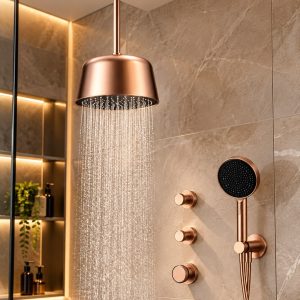
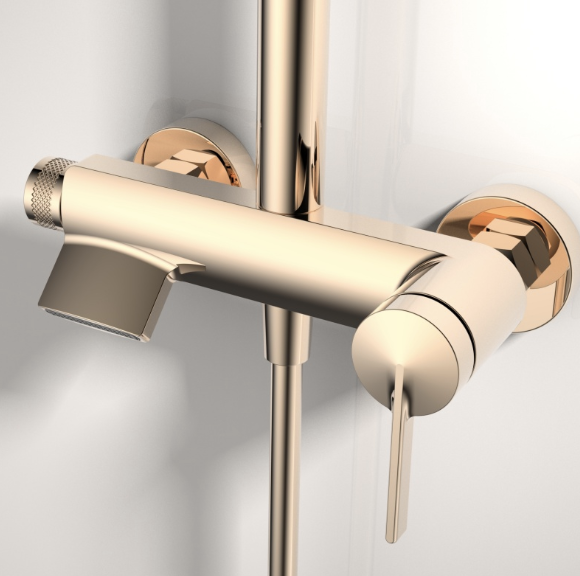
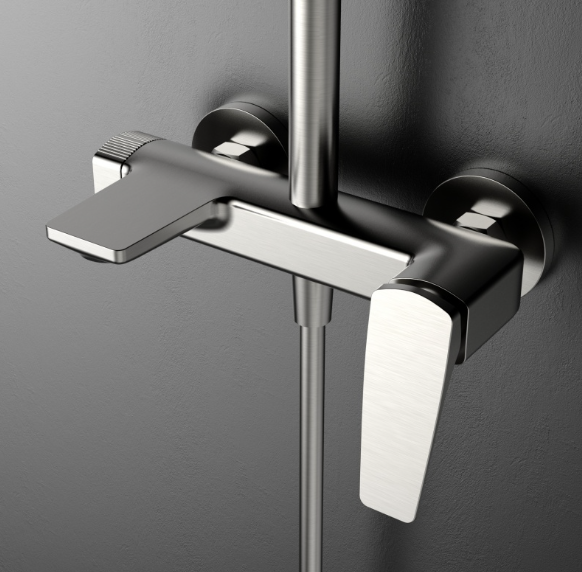
Chrome remains a popular choice because of its bright, reflective appearance. Stainless steel offers a contemporary look, while other finishes can create a more distinctive bathroom design.
When choosing a finish, consider the shower mixer, shower arm, accessories, and other visible fittings.
Using coordinated finishes can create a more consistent appearance throughout the bathroom.
For example, a chrome shower head can complement chrome mixers and accessories, while graphite or gold finishes can create a stronger visual statement.
7. Cleaning and Maintenance Matter
Regular cleaning helps maintain the appearance and performance of your shower head.
Over time, limescale and mineral deposits can build up around the spray nozzles, particularly in areas with hard water. This can affect the water distribution and make some spray outlets partially blocked.
To keep your shower head in good condition:
- Clean the nozzles regularly according to the manufacturer’s instructions.
- Use a suitable bathroom cleaning product.
- Avoid abrasive materials that could damage the finish.
- Check for limescale around the spray outlets.
- Inspect the shower arm and connections for signs of leakage.
- Some shower heads feature anti-limescale or easy-clean nozzles, which can make routine maintenance easier.
Always follow the product manufacturer’s cleaning recommendations, especially for special finishes.
8. Check Installation and Compatibility
Before purchasing a new shower head, check that it is compatible with your existing shower installation.
Some models require a wall-mounted shower arm, while others are designed for ceiling installation. You should also check the connection size, water pressure requirements, and whether the existing mixer can supply the selected shower system.
If you are planning a bathroom renovation, it is a good opportunity to consider the complete shower arrangement, including the shower head, shower arm, mixer, handheld shower, and rail.
A qualified installer can help confirm compatibility and ensure the system is installed correctly.
Frequently Asked Questions
What is the best type of shower head for everyday use?
There is no single best option for every bathroom. Fixed shower heads are practical for everyday use, rainfall models offer a wider spray experience, and handheld showers provide greater flexibility.
Does a larger shower head use more water?
Not necessarily. Water consumption depends on the flow rate and operating time, not just the physical size of the shower head. Always check the manufacturer’s flow-rate information.
Are rainfall shower heads suitable for low water pressure?
It depends on the model and your plumbing system. Larger overhead shower heads may need suitable pressure and flow to perform as intended. Check the manufacturer’s specifications before purchasing.
How often should I clean my shower head?
Regular cleaning is recommended, particularly in areas with hard water. The frequency depends on water quality and the manufacturer’s maintenance instructions.
Can I replace my shower head without replacing the mixer?
In many installations, yes. However, you should check the connection type, water pressure requirements, and compatibility with your existing shower mixer and pipework.
Choosing the right shower head is about balancing comfort, design, water performance, and practicality.
Whether you prefer a rainfall shower, a classic wall-mounted model, or a hand shower option, the best choice is one that suits your bathroom layout and daily needs.
Take the time to check the size, flow rate, material, finish, and installation requirements before making your decision.
A well-chosen shower head can help create a more comfortable and enjoyable bathroom experience for years to come.
