
Common Concealed Cistern Problems: Causes and How to Fix Them
A concealed cistern creates a clean, modern bathroom by hiding the toilet tank behind a wall or inside a supporting frame. However, like any toilet flushing system, it can develop problems over time.
You might notice that the toilet keeps running, the flush becomes weaker, the cistern takes too long to refill, or water starts leaking. The good news is that almost concealed cistern all problems are caused by internal components that can be inspected and repaired without removing the entire toilet or opening the wall.
In this guide, we explain the most common concealed cistern problems, their possible causes, and when to call a plumber.
1. The Toilet Keeps Running After Flushing
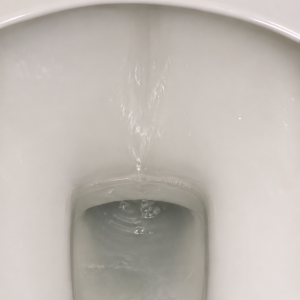
One of the most common concealed cistern problems is a toilet that continues running after the flush cycle has finished.
Possible causes:
- A worn or damaged flush valve seal.
- A flush valve that does not close properly.
- A filling valve that fails to stop when the cistern is full.
- Debris or limescale affecting the valve mechanism.
How to fix it:
First, observe whether the water continues running into the toilet bowl or whether the cistern keeps refilling intermittently. These symptoms can help identify the likely cause.
A plumber can inspect the flush valve, seals, and filling mechanism through the cistern’s service opening, which is often accessible behind the flush plate. Cleaning or replacing a faulty component may solve the problem.
If the toilet continues running, it is worth addressing promptly because unnecessary water consumption can add up over time.
2. The Cistern Takes Too Long to Refill
After flushing, the cistern should refill and be ready for the next use. If this process takes unusually long, the problem may lie with the water supply or filling mechanism.
Possible causes:
- A partially closed water supply valve.
- Low water pressure.
- A blocked inlet filter.
- Limescale or debris inside the filling valve.
- A worn or faulty filling valve.
How to fix it:
Check whether other taps in the bathroom have normal water flow. If they do, the issue may be specific to the cistern.
A plumber can inspect the supply valve, inlet filter, and filling mechanism. Depending on the cause, cleaning the filter or replacing the filling valve may restore normal refill times.
Avoid adjusting concealed components without checking the manufacturer’s instructions, particularly if access is limited.
3. The Flush Is Weak or Does Not Clear the Bowl Properly
A weak flush can leave waste behind or require repeated flushing. Although the concealed cistern may be responsible, the problem is not always inside the tank.
Possible causes:
- An incorrect flush-volume setting.
- A flush valve that does not open fully.
- Restricted water flow through the toilet’s flushing channels.
- A partial blockage in the toilet trap or waste pipe.
- A mismatch between the cistern and toilet specifications.
How to fix it:
First, check whether the problem happens with every flush. If the water level and refill cycle appear normal but the bowl still does not clear properly, the toilet or drainage system may need inspection.
A plumber can check the flush mechanism, the flush-volume settings, and the waste pipe for obstructions. Always follow the manufacturer’s specified settings rather than increasing the flush volume without checking compatibility.
If the problem began after a new toilet was installed, confirm that the toilet and concealed cistern are compatible.
4. Water Leaks Around the Toilet or Inside the Wall
Water around a wall-hung toilet or damp patches on a nearby wall should never be ignored.
A concealed cistern leak can be harder to identify than a leak from an exposed toilet tank because some components and connections are hidden behind the wall.
Possible causes:
- A leaking water supply connection.
- A damaged seal or flush pipe connection.
- A faulty internal valve.
- A leak from the toilet’s waste connection.
- Condensation on cold surfaces, which can sometimes be mistaken for a leak.
How to fix it:
Look for recurring moisture, unexplained puddles, damp patches, or water marks around the toilet and nearby wall.
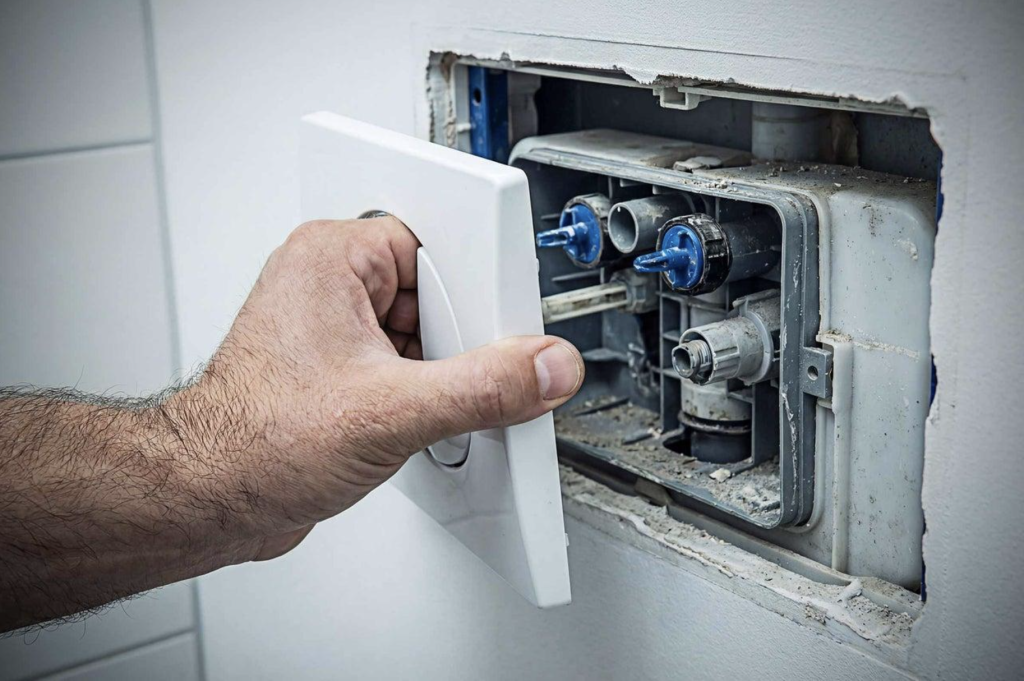
If you suspect an active leak, shut off the cistern’s water supply using the designated isolation valve if it is safely accessible, and arrange a professional inspection. Do not remove tiles or open the wall before the source of the leak has been identified.
Many concealed cisterns are designed to allow access to serviceable components through the flush plate opening. However, the exact repair method depends on the installation and the location of the leak.
Important: If water is reaching electrical fittings or spreading rapidly, avoid the affected area and seek urgent professional assistance.
5. The Flush Button Is Stiff, Stuck, or Does Not Work
The flush button is the part of a concealed cistern that users interact with every day. If it becomes difficult to press, sticks in place, or fails to activate the flush, the problem may be mechanical.
Possible causes:
- Misaligned button rods or operating components.
- A loose or incorrectly installed flush plate.
- Dirt or limescale affecting moving parts.
- A damaged pneumatic hose or actuator, depending on the system.
- A problem with the flush valve itself.
How to fix it:
Check whether the flush plate appears loose or misaligned. Do not force a stuck button, as this may damage the operating mechanism.
A plumber can remove the flush plate according to the manufacturer’s instructions and inspect the actuator, rods, or pneumatic connections. Some faults can be corrected by adjusting or replacing a small component rather than replacing the complete cistern.
When choosing replacement parts, confirm that they are compatible with the cistern model.
6. The Cistern Makes Unusual Noises
A concealed cistern may produce some noise while filling after a flush. However, persistent whistling, banging, or unusually loud filling sounds can indicate a problem.
Possible causes:
- A worn or faulty filling valve.
- High or fluctuating water pressure.
- Vibrations in the water supply pipework.
- Air or movement in the plumbing system.
- A valve that does not open or close smoothly.
How to fix it:
Try to identify when the sound occurs. Noise during refilling may point towards the filling valve or water supply, while a sudden banging sound can be associated with pressure changes in the pipework.
A plumber can inspect the filling mechanism, water pressure, and pipe connections. Replacing a worn valve or correcting a pipework issue may reduce the noise.
If the noise starts suddenly or becomes significantly louder, arrange an inspection rather than assuming it is normal.
7. The Cistern Does Not Stop Filling
If water continues entering the cistern after it should be full, the filling valve or its level-control mechanism may not be working correctly.
This is different from a toilet that continues running into the bowl after flushing, although the symptoms can sometimes occur together.
Possible causes:
- A filling valve that is stuck or worn.
- A float mechanism that cannot move freely.
- Incorrect water-level adjustment.
- Debris or limescale inside the valve.
How to fix it:
A plumber can inspect the filling valve and water-level control through the service opening. Cleaning, adjustment, or replacement may be sufficient.
If the cistern is overflowing into the toilet bowl, arrange a repair promptly to avoid wasting water.
Can You Repair a Concealed Cistern Without Opening the Wall?
In many cases, yes.
Concealed cisterns are generally designed with a service opening behind the flush plate. Depending on the model, this opening can provide access to the filling valve, flush valve, and other serviceable parts.
However, not every problem can be resolved through this opening. Damaged concealed pipework, inaccessible connections, or structural installation issues may require more extensive work.
Before attempting a repair, consult the manufacturer’s installation and maintenance instructions. If you cannot identify the fault or safely access the components, contact a qualified plumber.
How to Prevent Concealed Cistern Problems
Regular checks can help identify minor issues before they become more expensive to repair.
- Address continuous running promptly. A small valve problem can waste water if left unresolved.
- Use compatible replacement parts. Different cistern models may require different valves and operating components.
- Avoid forcing the flush button. Resistance may indicate a mechanical problem.
- Investigate recurring leaks. Do not assume that dampness will disappear on its own.
- Follow the manufacturer’s maintenance instructions. Avoid aggressive chemicals or cleaning products that may damage internal components.
- Use a qualified installer. Correct installation and compatible components are important for reliable performance.
A concealed cistern should also be selected to match the toilet and the installation requirements. For a new bathroom, confirm compatibility before purchasing the toilet, cistern, and supporting frame.
Frequently Asked Questions
What is the most common concealed cistern problem?
A toilet that keeps running after flushing is a common problem. It may be caused by a worn flush valve seal, a faulty filling valve, or a mechanism that does not close correctly.
Can a concealed cistern be repaired without removing the toilet?
Many internal cistern faults can be repaired through the service opening behind the flush plate. However, leaks from inaccessible pipework or certain installation problems may require more extensive access.
Why does my concealed cistern keep refilling?
The filling valve may not be closing correctly, the water level may be incorrectly adjusted, or the flush valve may be allowing water to escape into the bowl. A plumber can identify which component is responsible.
How do I know if my concealed cistern is leaking?
Possible signs include unexplained water around the toilet, persistent damp patches, water marks on the wall, or water continuing to enter the bowl when the toilet is not in use. The source should be checked before assuming the cistern itself is damaged.
When should I call a plumber?
Contact a plumber if the toilet continues running, the flush becomes unreliable, the button stops working, or you notice signs of a leak. Seek prompt assistance for active leaks or water damage.
Most concealed cistern problems do not automatically mean that the entire system needs replacing. Faulty valves, worn seals, blocked filters, and button mechanisms can often be repaired through the service opening.
The key is to identify the source of the problem before replacing parts or disturbing the wall. With compatible components, correct installation, and timely maintenance, a concealed cistern can provide reliable performance for years.
For a new bathroom or a cistern replacement, always check that the cistern, frame, and toilet are compatible and that the system can be serviced according to the manufacturer’s instructions.
