Why Is My Toilet Making Noise After Flushing? Common Causes & Solutions
Reading time: 4 minutes
A toilet may make noise after flushing because the cistern is refilling, the fill valve is faulty, water pressure is too high, or water is continuing to leak into the bowl. A short filling sound is normal. However, hissing, whistling, vibrating or banging noises that continue after the cistern has refilled may indicate a problem that needs attention.
You Flush the Toilet… and Then the Noise Starts
You press the flush button, the toilet flushes normally, and then you hear a strange sound.
Maybe it sounds like a soft hiss.
Maybe there is a loud vibration.
Or perhaps the pipes make a sudden banging noise.
Some sound after flushing is completely normal. The cistern needs to refill with water before the toilet is ready for the next flush.
The question is: how do you know when the sound is normal and when it indicates a problem?
What Kind of Noise Is Your Toilet Making?
The type of sound can often give you the first clue.
A Short Filling Sound
A soft water-filling sound immediately after flushing is normal.
The fill valve opens, the cistern refills and then the valve closes. Depending on the system and water pressure, this may take a few seconds.
If the sound stops once the cistern is full, there is usually nothing to worry about.
A Continuous Hissing Sound
A hissing sound that continues long after flushing often means that water is still flowing.
The most common causes are:
- A worn flush valve seal.
- A fill valve that is not closing properly.
- Incorrect water level.
- Limescale affecting the internal mechanism.
You may also notice a small stream of water continuously entering the toilet bowl.
This should not be ignored. Even a small, continuous leak can waste water over time.
A Whistling or High-Pitched Noise
A high-pitched sound usually comes from the fill valve as water passes through it.
The valve may be:
- Worn.
- Partially blocked.
- Affected by limescale.
- Operating under excessive water pressure.
In some cases, cleaning or replacing the fill valve solves the problem.
A Vibrating or Shaking Sound
If the toilet makes a vibration or rattling noise while the cistern is filling, the fill valve may be struggling to control the flow of water.
This can happen when the internal components are worn or when water pressure is too high.
If the noise is strong enough to make the pipes shake, it is worth investigating rather than simply accepting it as normal.
A Loud Banging Sound After Flushing
A sudden bang from the pipes is often referred to as water hammer.
It happens when flowing water stops suddenly, creating a pressure shock inside the plumbing system.
The sound may come from the toilet itself, but the cause can be related to the water supply pipework.
If the banging is loud or happens frequently, a plumber should inspect the installation.
What Can You Check Yourself?
Before calling a plumber, there are a few simple things you can observe.
1. Does the noise stop after the cistern is full?
If yes, the sound may simply be the normal refilling process.
2. Is water still flowing into the bowl?
If you can see or hear water continuing to flow, the flush valve or another internal component may not be sealing correctly.
3. Does the noise happen only when the cistern refills?
This may point towards the fill valve or water pressure.
4. Does the noise happen throughout your home?
If several taps or toilets make similar noises, the problem may be related to the building’s water pressure or plumbing system rather than one toilet.
When Should You Call a Plumber?
Professional help is recommended if:
- The noise continues for a long time after flushing.
- You hear loud banging inside the walls.
- The toilet is leaking.
- The cistern cannot be accessed easily.
- Replacing a valve does not solve the problem.
- The noise suddenly becomes much louder than before.
A concealed cistern can be more difficult to inspect than a traditional exposed cistern, so it is important not to force access panels or internal components.
Could a Modern Toilet Be Quieter?
Yes, the design of the flushing system can influence the noise produced during and after flushing.
Traditional systems may create more noticeable water movement during the flush and refill cycle. Newer systems can be designed to control the flow of water more efficiently.
For example, Vortex technology is designed to create a controlled circular flow inside the toilet bowl. Depending on the specific design and installation, this can contribute to an efficient and quieter flushing experience while helping distribute water more effectively around the bowl.
The cistern also plays an important role.
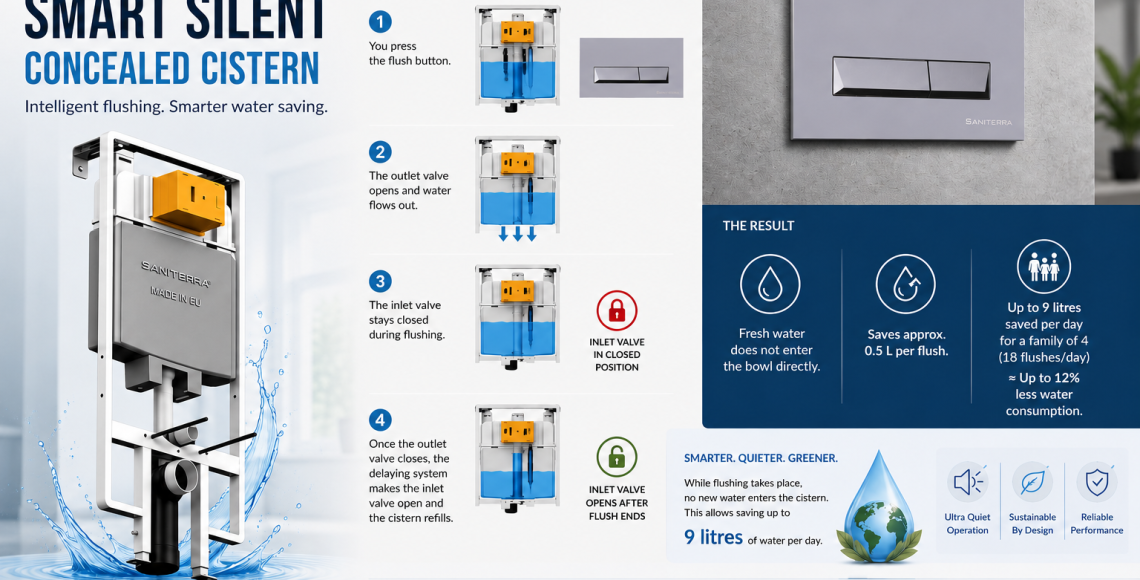
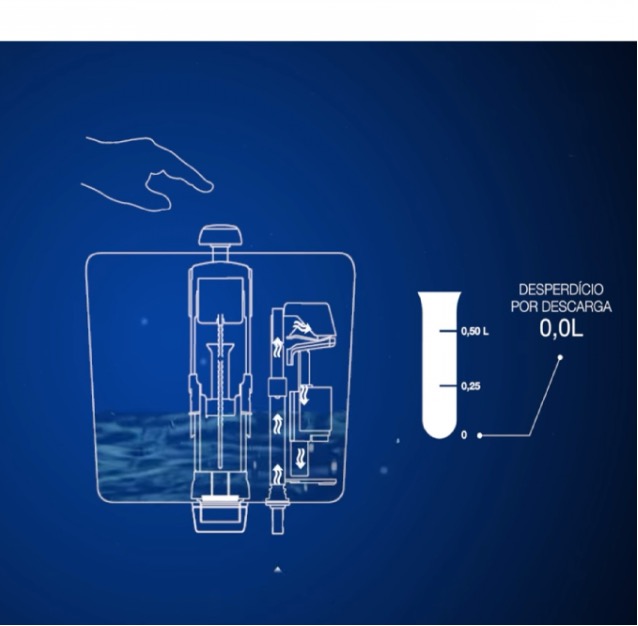
Some modern concealed cistern systems are designed to manage the refill cycle more efficiently. Saniterra’s Smart Silent system, for example, is designed so that the cistern does not begin refilling until the flushing process has finished. This can reduce unnecessary water movement and help create a quieter refill cycle.
However, a noisy toilet does not automatically mean that the entire toilet needs to be replaced. In many cases, a worn valve, limescale or excessive water pressure is the real cause.
Frequently Asked Questions
Is it normal for a toilet to make noise after flushing?
Yes. A short sound while the cistern refills is normal. Continuous or unusually loud noises may indicate a problem.
Why does my toilet make a hissing noise?
Usually, water is still passing through the fill valve or leaking through the flush valve seal.
Why does my toilet whistle when filling?
A worn, restricted or partially blocked fill valve can create a high-pitched whistling sound.
Why do my pipes bang when I flush the toilet?
A sudden change in water flow can cause water hammer, creating a banging sound in the pipework.
Can limescale make a toilet noisy?
Yes. Mineral deposits can affect valves and other moving parts, preventing them from operating smoothly.
Is a concealed cistern quieter than a traditional cistern?
Not automatically. The level of noise depends on the design of the flushing mechanism, water pressure, installation and surrounding wall construction. Some modern concealed cistern systems are specifically designed to reduce operational noise.
A little noise after flushing is normal. The cistern needs to refill, and some sound is simply part of that process.
However, a toilet that continues to hiss, whistle, vibrate or bang long after flushing may be telling you that something needs attention.
The first step is to identify what kind of noise you are hearing. In many cases, the cause is a relatively simple issue with the fill valve, flush valve, water pressure or limescale.
If you are replacing an older toilet or planning a bathroom renovation, the flushing system itself is also worth considering. Modern rimless toilets, efficient flushing technologies and thoughtfully designed concealed cisterns can help improve not only cleaning performance and water efficiency, but also the everyday sound level of the bathroom.