Tag: #saniterra

Mediterranean Bathroom Design

A Timeless Blend of Light and Natural Beauty

A Mediterranean bathroom design creates a calming retreat inspired by coastal living, natural textures, and sun-filled spaces. This style focuses on balance, simplicity, and warmth; making it an ideal choice for modern homes seeking elegance without excess.

Mediterranean Bathroom-sand color

Why Choose a Mediterranean Style Bathroom?

Mediterranean bathrooms are known for their bright atmosphere, natural color palettes, and relaxed sophistication. By combining light tones with organic materials, this design approach enhances both comfort and visual harmony.

Key characteristics of Mediterranean bathroom design include

  • Bright and airy spaces
  • Natural, earthy colors
  • Soft contrasts inspired by sea and sand
  • A timeless, elegant appearance

The Power of Color in Mediterranean Bathrooms

Color plays central role in creacolorsn authentic Mediterranean bathroom. Neutral shades such as white, cream, and Beige tones form a clean and luminous foundation. These colors reflect light beautifully and make bathrooms feel larger and more inviting.

To add depth and personality, subtle accents inspired by nature are often used. Sky blue hues evoke the calm of the sea, while gentle green tones reflect Mediterranean landscapes and foliage. When applied in moderation, these colors bring freshness and serenity without overwhelming the space.

Mediterranean Bathroom-Skyblue

Natural Textures and Balanced Contrast

Mediterranean bathroom design embraces natural textures and understated finishes. Matte surfaces, stone-inspired materials, and warm neutral tones create a sense of authenticity and comfort. Introducing darker neutral accents in small details — such as fixtures or design elements — adds contrast and visual interest while preserving a cohesive look.

A Bathroom Designed for Everyday Well-Being

More than just a visual style, a Mediterranean bathroom is designed to enhance daily life. The combination of light colors, calming tones, and natural textures promotes relaxation and well-being. It’s a space that feels effortlessly elegant, welcoming, and enduring over time.

Mediterranean Bathroom Design That Lasts

Choosing a Mediterranean-inspired bathroom means investing in a design that remains stylish for years. Its timeless palette and natural aesthetic adapt easily to different spaces, lighting conditions, and personal preferences — making it a smart and lasting design choice.
Wall Mounted vs Floor Standing vs Close-Coupled Toilets

Understanding Toilet Types in Modern Bathroom Design

Choosing the right toilet is more than a functional decision — it shapes the overall aesthetics, space planning, and hygiene of a bathroom. Architects and interior designers must consider structural support, client expectations, and maintenance needs.

There are three main types to understand: wall mounted (wall-hung) toilets, floor standing/back-to-wall toilets, and close-coupled toilets. Each has distinct installation requirements, design implications, and practical benefits. Knowing the differences allows professionals to specify the best solution for each project.

What Is a Wall Mounted Toilet?

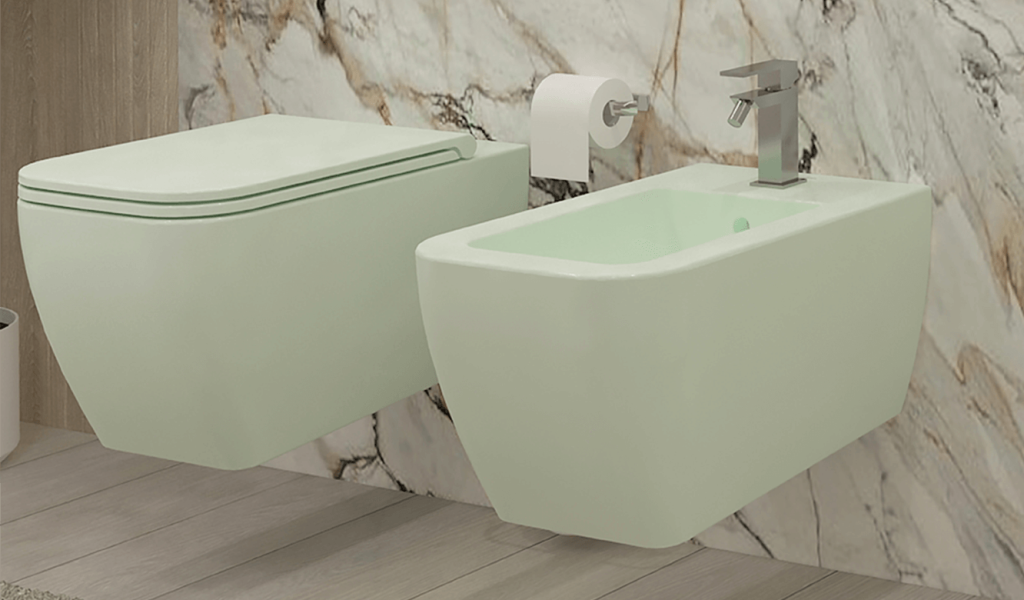
A wall mounted toilet features a bowl that “floats” above the floor, with a concealed cistern inside the wall. Only the bowl and flush plate are visible, giving bathrooms a sleek, modern, and minimalist appearance. The floating design also makes cleaning easier and creates an open, spacious feel.

Installation Basics of Wall-Hung Toilets

Wall mounted toilet installation requires a steel frame inside the wall to support the bowl and user weight. The cistern is concealed within the wall, and plumbing connects through the frame to a wall outlet. Height can be adjusted during installation to suit user needs, making wall-hung toilets ideal for luxury, ergonomic, and contemporary bathroom designs.

Green-wall-mounted-toilet-&-bidet

What Is a Floor Standing or Back-to-Wall Toilet?

Floor standing toilets (also called floor-mounted or back-to-wall) have the bowl anchored to the floor while the cistern is hidden inside the wall. Unlike wall-hung systems, these toilets do not require a heavy in-wall frame because the weight is supported by the floor.

Floor standing bowls can connect to either a floor outlet or wall outlet, providing flexibility for retrofit projects or spaces with structural limitations. This type of toilet is perfect for lightweight partition walls, areas where walls cannot support a frame, or high-load situations. Despite being simpler structurally, floor standing toilets are not necessarily cheaper than wall-hung systems.

Installation Considerations for Floor Standing Toilets

Installation is simpler than wall-hung in terms of structural reinforcement. Plumbers connect the concealed cistern in-wall, and the bowl rests on the floor. Access for maintenance is typically via the flush plate, just like a wall-hung system.

floor standing toilet & bidet-saniterra-sky blue

What Is a Close-Coupled Toilet?

Close-coupled toilets are the traditional models most homeowners are familiar with. They have a cistern mounted directly on the bowl, which can be either one-piece or two-piece. The cistern is visible, unlike wall-hung or floor-standing designs with concealed tanks.

These toilets are easier to install with minimal in-wall work, but they offer less flexibility in height adjustment and have a more conventional appearance. Close-coupled toilets are suitable for classic interiors or projects where fast installation and familiarity are priorities.

224011-Close-Couple-Toilet-Porto-Plan

Key Differences Between Wall Mounted, Floor Standing, and Close-Coupled Toilets

Feature Wall Mounted Floor Standing / Back-to-Wall Close-Coupled
Bowl Placement Wall-hung Floor-mounted Floor-mounted
Cistern Concealed Concealed Visible
Structural Needs In-wall frame Floor support only Minimal wall reinforcement
Cleaning Easiest (no floor base) Moderate (clean around base) Harder (tank crevices)
Design Modern, minimal Sleek, flexible Traditional
Installation Complex Moderate Simple

This table helps architects quickly evaluate which type fits a project based on structural conditions, aesthetics, and client preferences.

Design, Maintenance, and Practical Benefits

  • Wall-Hung Toilets: Create clean, open spaces and make floor cleaning effortless. Ideal for contemporary luxury interiors.
  • Floor Standing/Back-to-Wall Toilets: Offer hidden cisterns without requiring a frame, suitable for walls that cannot carry heavy loads, or when a floor-supported design is needed.
  • Close-Coupled Toilets: Traditional, classic design; easier to install; best for conventional spaces or budget-conscious projects.

Why Architects Choose Wall-Hung Toilets

For high-end projects, choosing the right brand is as important as choosing the type. Saniterra wall-hung toilets combine practical installation with elegant design.

Saniterra wall-hung toilets are designed for exceptionally easy installation; their concealed mounting system ensures that no screws or holes remain visible after setup, leaving a seamless, elegant surface that not only enhances the toilet’s beauty but also makes it much easier to keep clean.

Additional benefits include:

  • Durable materials built to European standards
  • Warranty coverage for peace of mind
  • After-sales service and technical support
  • Design consistency for modern architectural projects

These features make Saniterra a reliable choice for architects and interior designers who want beauty, functionality, and long-term project success.

Cost and Project Considerations

  • Wall-Hung Toilets: Higher installation complexity but offer superior aesthetics and maintenance advantages.
  • Floor Standing/Back-to-Wall Toilets: Slightly simpler installation; floor-supported; flexible outlet connections.
  • Close-Coupled Toilets: Easiest to install; visible cistern; traditional look; minimal in-wall work.

Budgeting should consider structural modifications, plumbing, and long-term client satisfaction rather than just upfront product cost.

Choosing the Right Toilet for Your Project

Understanding the differences between wall mounted, floor standing/back-to-wall, and close-coupled toilets allows architects to make informed decisions. Wall-hung toilets excel in modern, minimalist spaces; floor-standing/back-to-wall toilets offer structural flexibility without a frame; and close-coupled toilets serve traditional or budget-sensitive projects.

For architects and designers looking for a premium, reliable solution, Saniterra wall-hung toilets deliver the perfect combination of style, hygiene, and installation ease — making every bathroom a showcase of thoughtful design.