Wall Mounted vs Floor Standing vs Close-Coupled Toilets
Understanding Toilet Types in Modern Bathroom Design
Choosing the right toilet is more than a functional decision — it shapes the overall aesthetics, space planning, and hygiene of a bathroom. Architects and interior designers must consider structural support, client expectations, and maintenance needs.
There are three main types to understand: wall mounted (wall-hung) toilets, floor standing/back-to-wall toilets, and close-coupled toilets. Each has distinct installation requirements, design implications, and practical benefits. Knowing the differences allows professionals to specify the best solution for each project.
What Is a Wall Mounted Toilet?
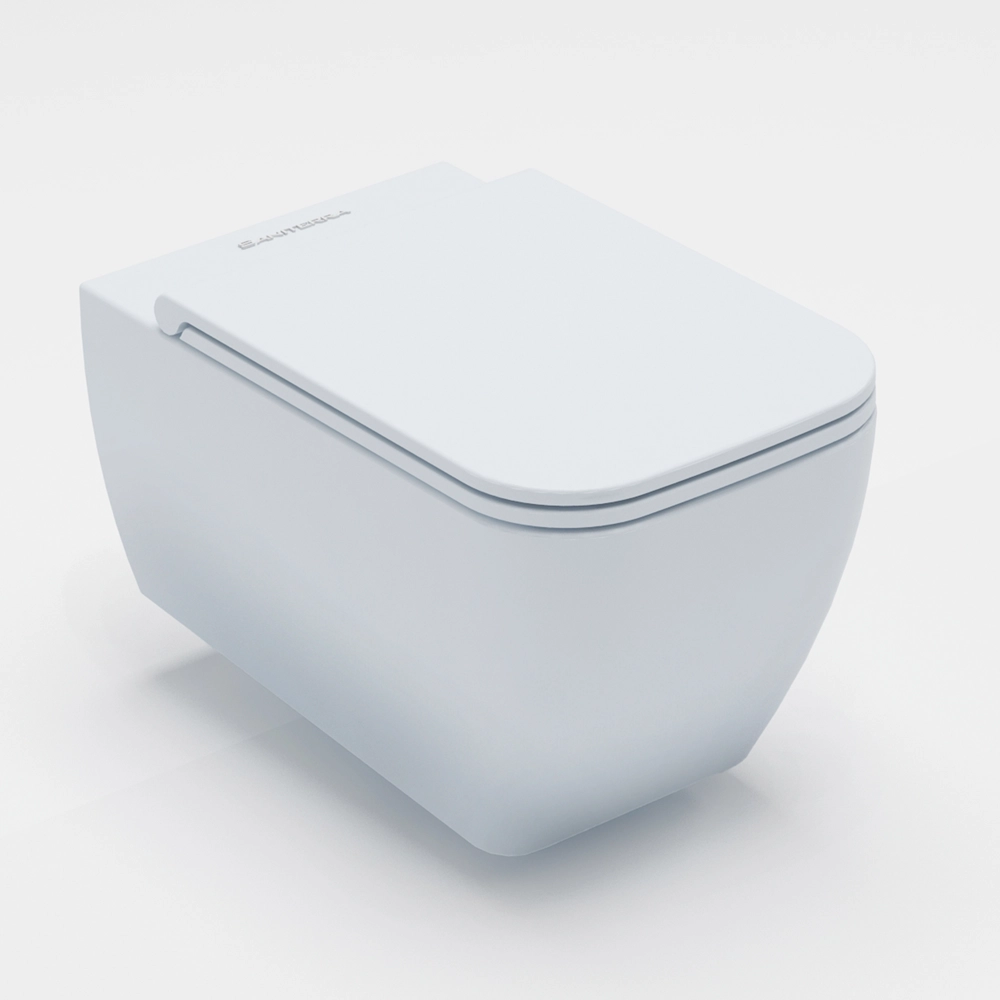
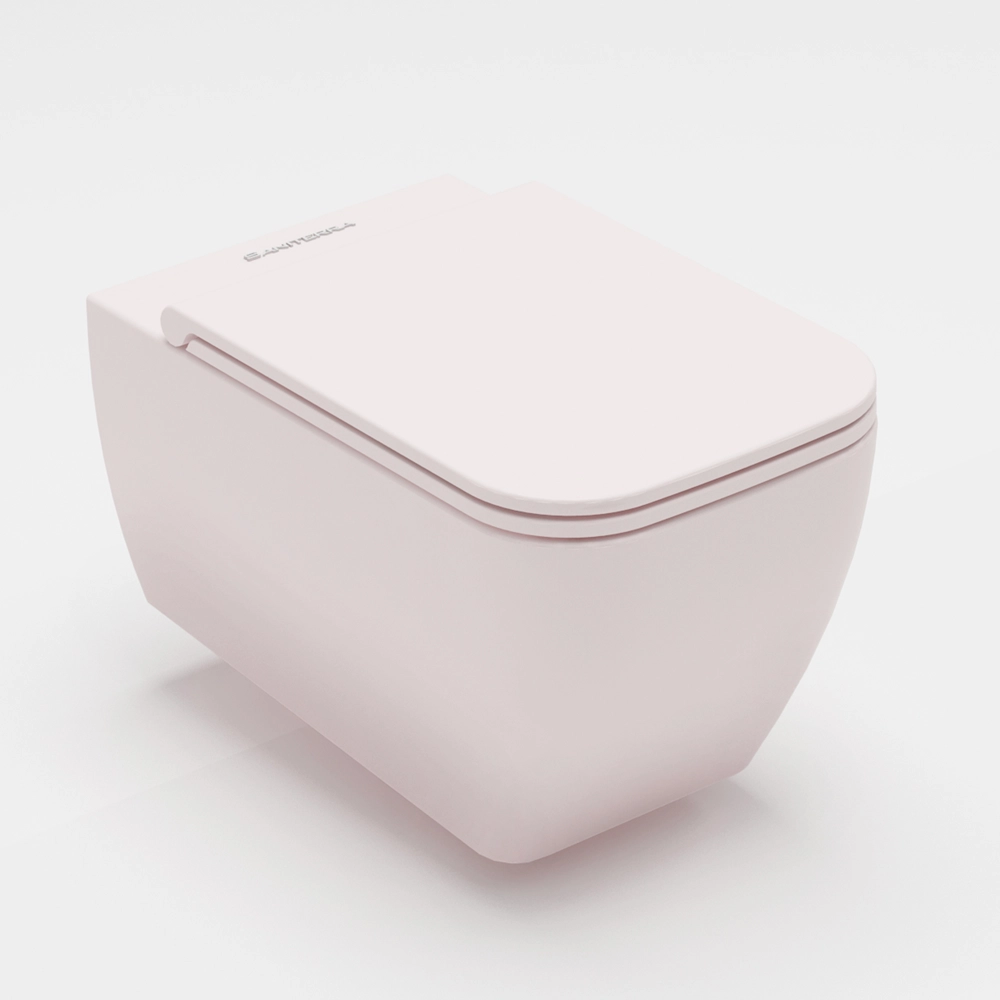
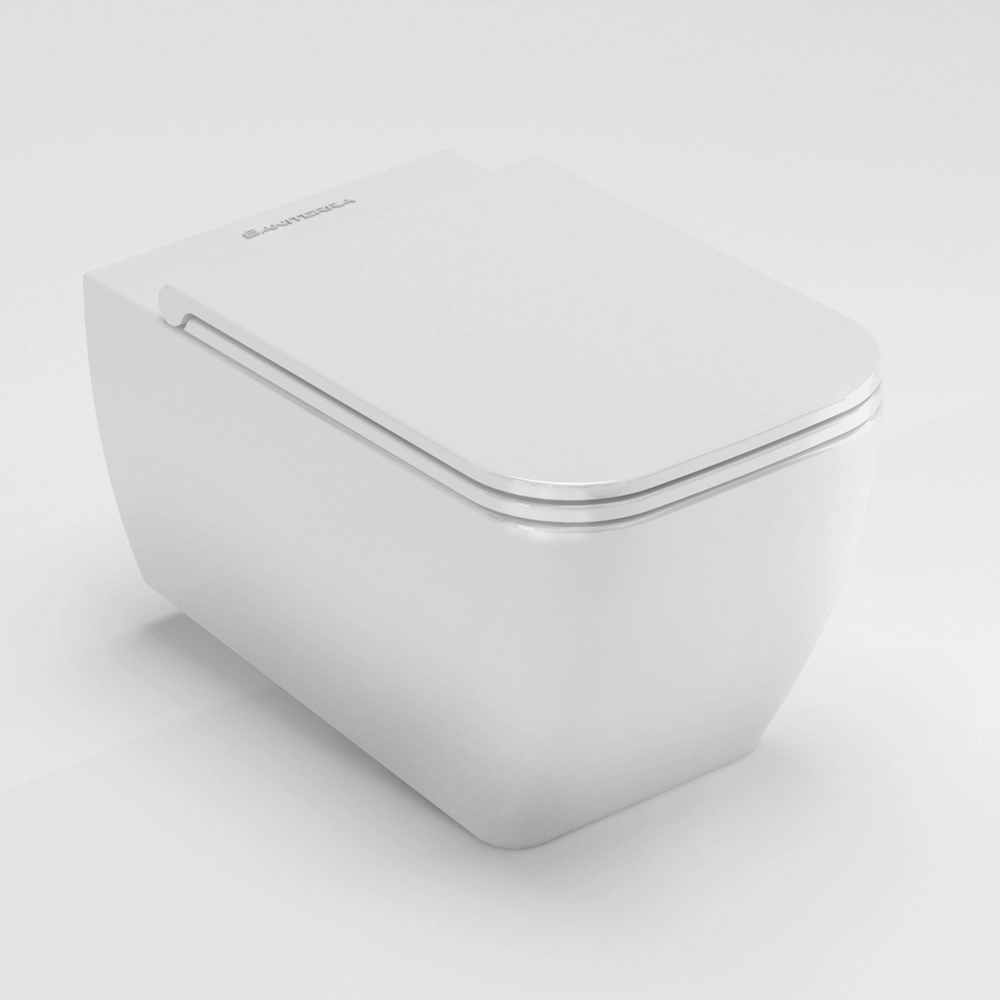
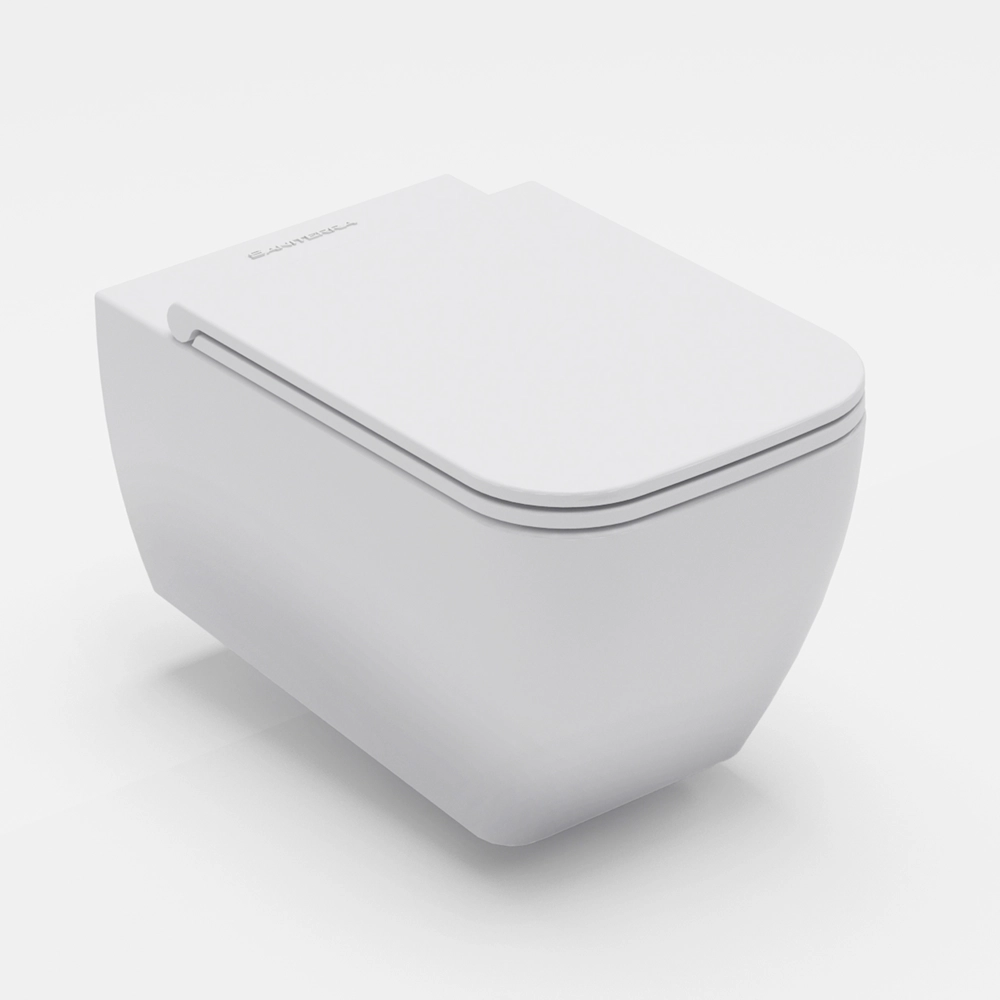
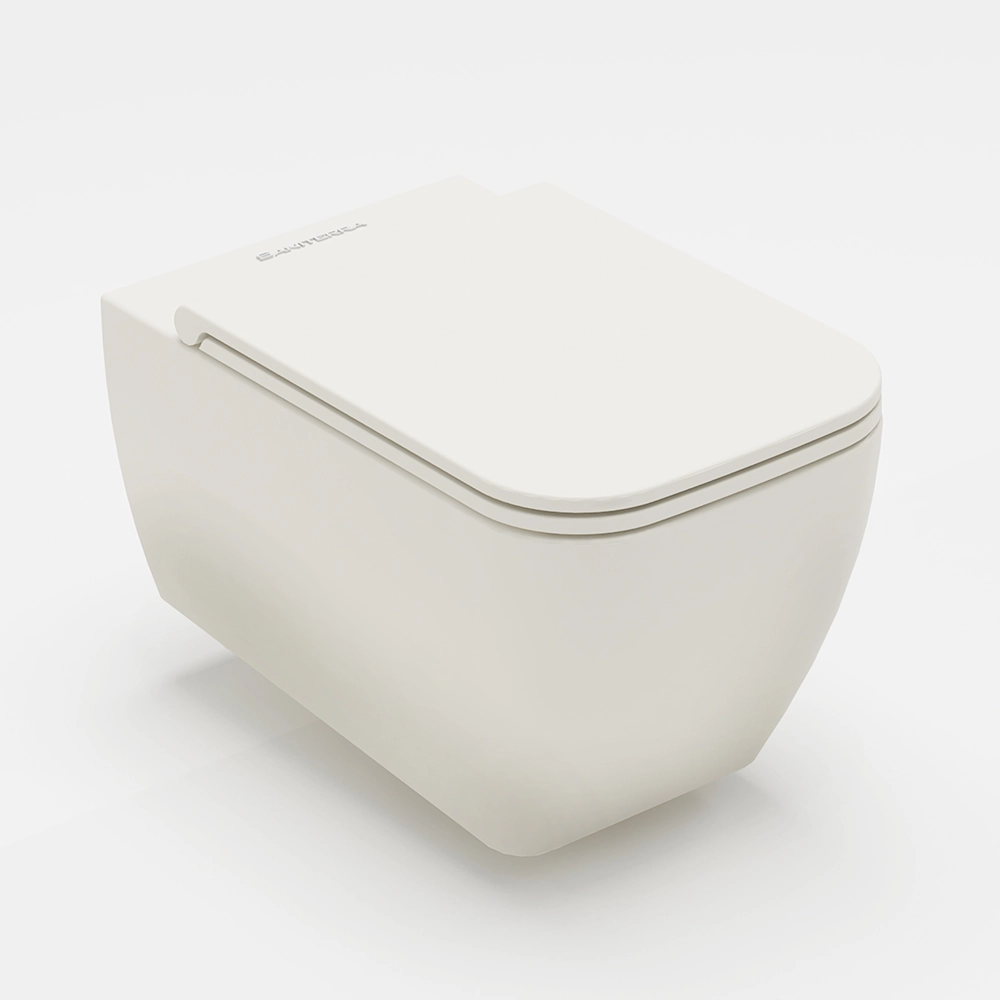
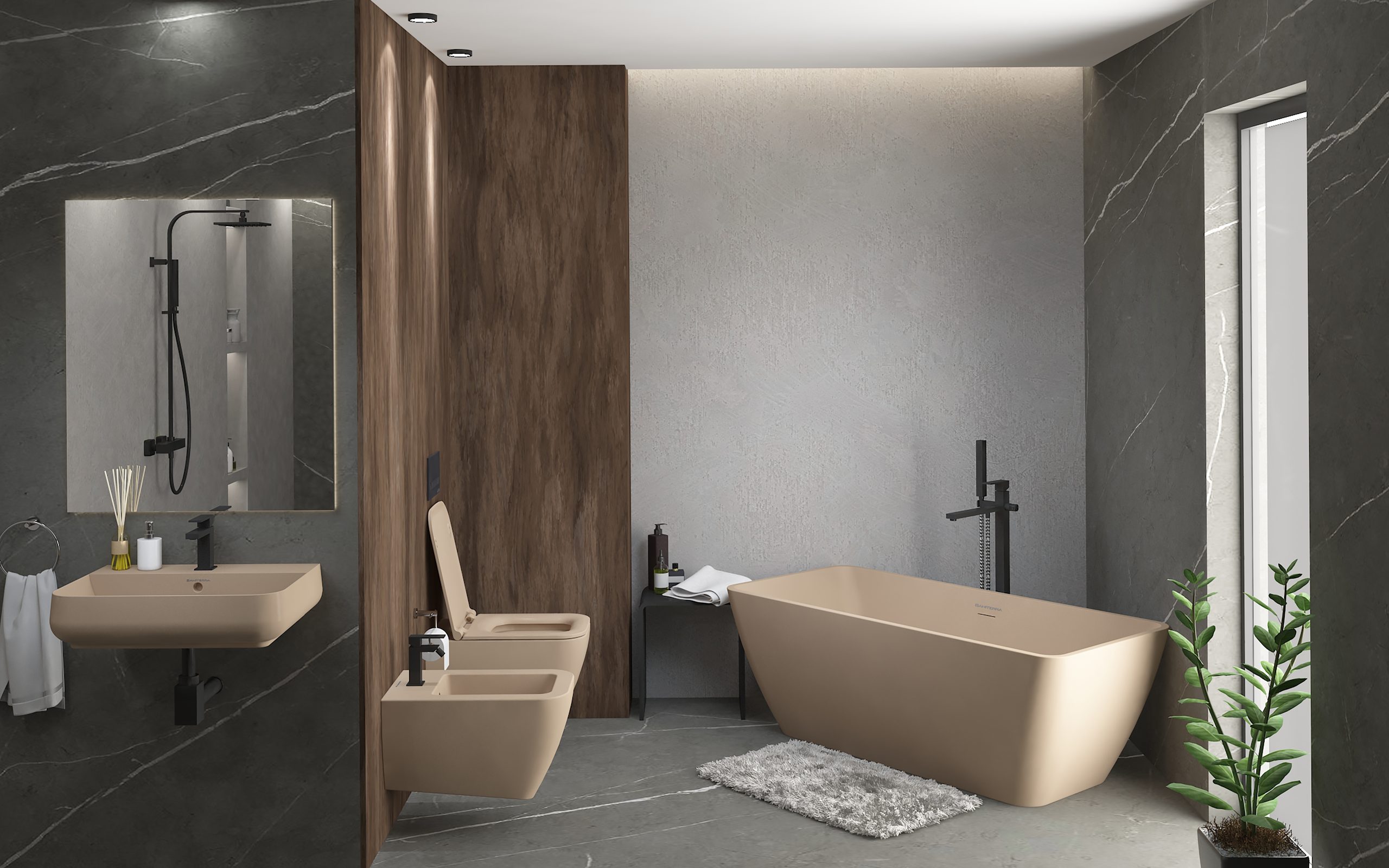
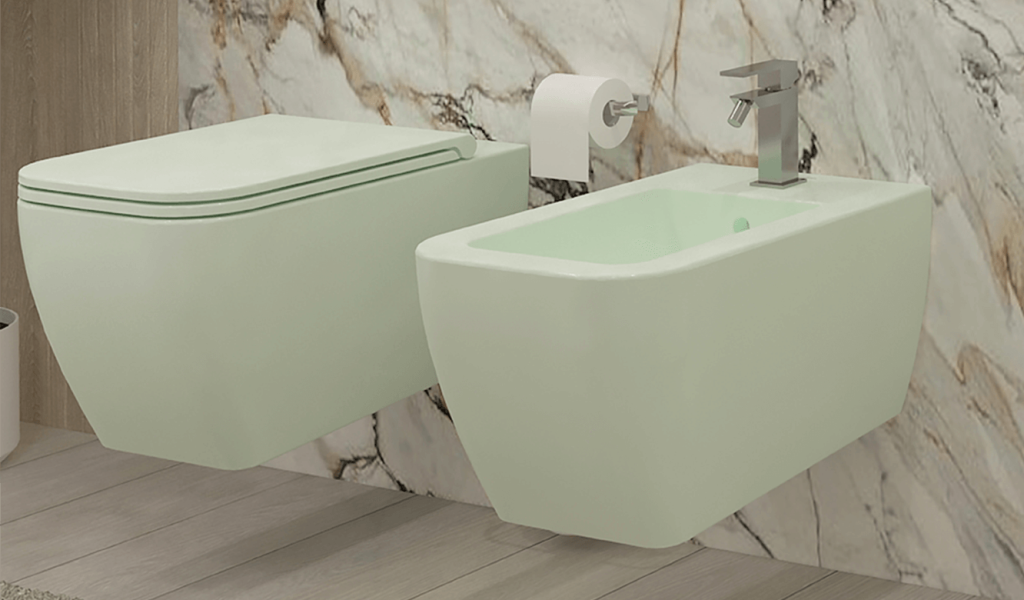
A wall mounted toilet features a bowl that “floats” above the floor, with a concealed cistern inside the wall. Only the bowl and flush plate are visible, giving bathrooms a sleek, modern, and minimalist appearance. The floating design also makes cleaning easier and creates an open, spacious feel.
Installation Basics of Wall-Hung Toilets
Wall mounted toilet installation requires a steel frame inside the wall to support the bowl and user weight. The cistern is concealed within the wall, and plumbing connects through the frame to a wall outlet. Height can be adjusted during installation to suit user needs, making wall-hung toilets ideal for luxury, ergonomic, and contemporary bathroom designs.
What Is a Floor Standing or Back-to-Wall Toilet?
Floor standing toilets (also called floor-mounted or back-to-wall) have the bowl anchored to the floor while the cistern is hidden inside the wall. Unlike wall-hung systems, these toilets do not require a heavy in-wall frame because the weight is supported by the floor.
Floor standing bowls can connect to either a floor outlet or wall outlet, providing flexibility for retrofit projects or spaces with structural limitations. This type of toilet is perfect for lightweight partition walls, areas where walls cannot support a frame, or high-load situations. Despite being simpler structurally, floor standing toilets are not necessarily cheaper than wall-hung systems.
Installation Considerations for Floor Standing Toilets
Installation is simpler than wall-hung in terms of structural reinforcement. Plumbers connect the concealed cistern in-wall, and the bowl rests on the floor. Access for maintenance is typically via the flush plate, just like a wall-hung system.

What Is a Close-Coupled Toilet?
Close-coupled toilets are the traditional models most homeowners are familiar with. They have a cistern mounted directly on the bowl, which can be either one-piece or two-piece. The cistern is visible, unlike wall-hung or floor-standing designs with concealed tanks.
These toilets are easier to install with minimal in-wall work, but they offer less flexibility in height adjustment and have a more conventional appearance. Close-coupled toilets are suitable for classic interiors or projects where fast installation and familiarity are priorities.

Key Differences Between Wall Mounted, Floor Standing, and Close-Coupled Toilets
| Feature | Wall Mounted | Floor Standing / Back-to-Wall | Close-Coupled |
| Bowl Placement | Wall-hung | Floor-mounted | Floor-mounted |
| Cistern | Concealed | Concealed | Visible |
| Structural Needs | In-wall frame | Floor support only | Minimal wall reinforcement |
| Cleaning | Easiest (no floor base) | Moderate (clean around base) | Harder (tank crevices) |
| Design | Modern, minimal | Sleek, flexible | Traditional |
| Installation | Complex | Moderate | Simple |
This table helps architects quickly evaluate which type fits a project based on structural conditions, aesthetics, and client preferences.
Design, Maintenance, and Practical Benefits
- Wall-Hung Toilets: Create clean, open spaces and make floor cleaning effortless. Ideal for contemporary luxury interiors.
- Floor Standing/Back-to-Wall Toilets: Offer hidden cisterns without requiring a frame, suitable for walls that cannot carry heavy loads, or when a floor-supported design is needed.
- Close-Coupled Toilets: Traditional, classic design; easier to install; best for conventional spaces or budget-conscious projects.
Why Architects Choose Wall-Hung Toilets
For high-end projects, choosing the right brand is as important as choosing the type. Saniterra wall-hung toilets combine practical installation with elegant design.
Saniterra wall-hung toilets are designed for exceptionally easy installation; their concealed mounting system ensures that no screws or holes remain visible after setup, leaving a seamless, elegant surface that not only enhances the toilet’s beauty but also makes it much easier to keep clean.
Additional benefits include:
- Durable materials built to European standards
- Warranty coverage for peace of mind
- After-sales service and technical support
- Design consistency for modern architectural projects
These features make Saniterra a reliable choice for architects and interior designers who want beauty, functionality, and long-term project success.
Cost and Project Considerations
- Wall-Hung Toilets: Higher installation complexity but offer superior aesthetics and maintenance advantages.
- Floor Standing/Back-to-Wall Toilets: Slightly simpler installation; floor-supported; flexible outlet connections.
- Close-Coupled Toilets: Easiest to install; visible cistern; traditional look; minimal in-wall work.
Budgeting should consider structural modifications, plumbing, and long-term client satisfaction rather than just upfront product cost.
Choosing the Right Toilet for Your Project
Understanding the differences between wall mounted, floor standing/back-to-wall, and close-coupled toilets allows architects to make informed decisions. Wall-hung toilets excel in modern, minimalist spaces; floor-standing/back-to-wall toilets offer structural flexibility without a frame; and close-coupled toilets serve traditional or budget-sensitive projects.
For architects and designers looking for a premium, reliable solution, Saniterra wall-hung toilets deliver the perfect combination of style, hygiene, and installation ease — making every bathroom a showcase of thoughtful design.